
Blog
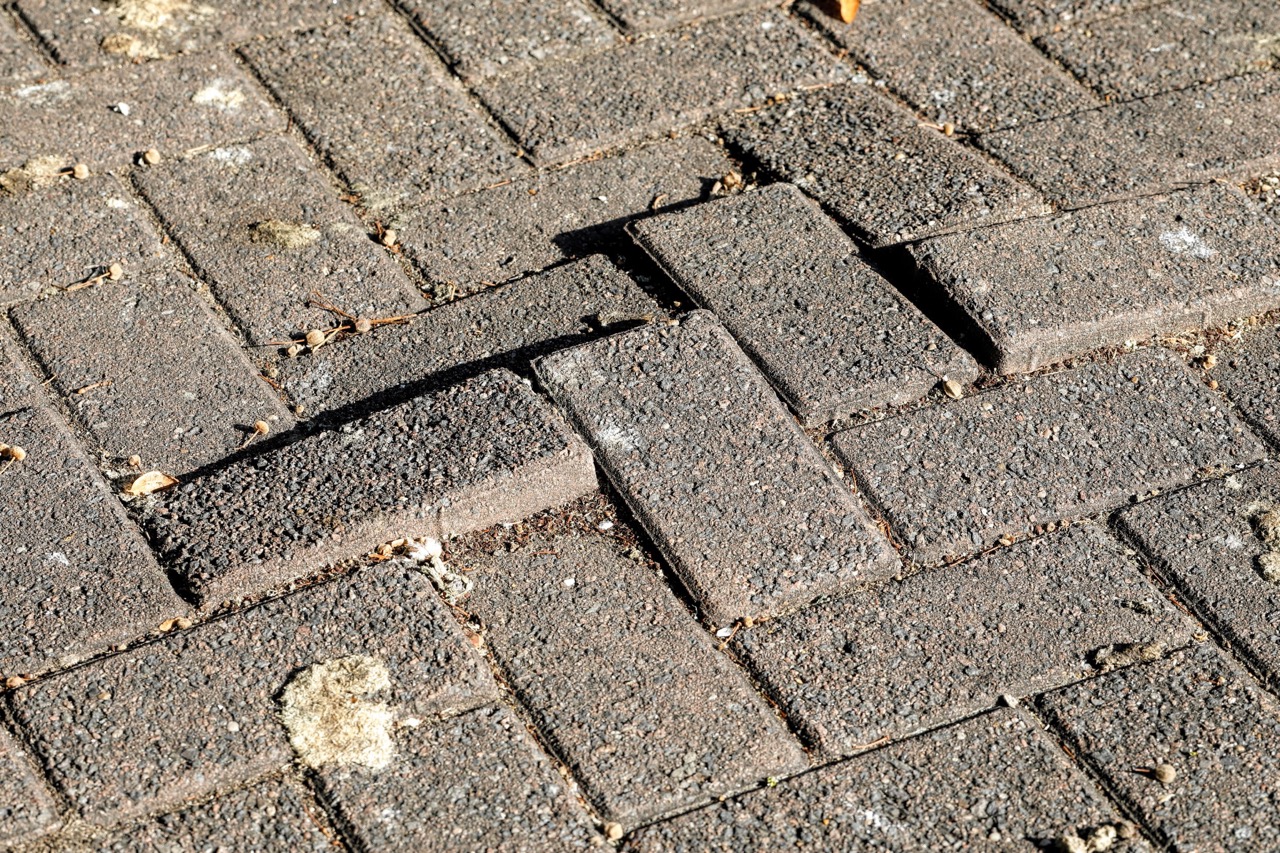
Uneven Pavers? What Causes Patio and Walkway Settling
Paver patios and walkways are built to be durable, attractive, and functional, but they can shift or settle over time. If you have noticed uneven pavers, sunken areas, loose edges, or water pooling on your patio or walkway, it may be time to have the area repaired.
For homeowners in Greater Cincinnati, paver settling is often caused by a combination of weather, drainage, soil movement, age, and regular use. The good news is that many paver issues can be repaired without replacing the entire patio or walkway.
Here are the most common reasons pavers become uneven and what homeowners should know before the problem gets worse.
Quick Answer: Why Do Pavers Become Uneven?
Pavers often become uneven because of poor base preparation, drainage problems, soil movement, erosion, tree roots, heavy use, edge failure, or age. In many cases, settled pavers can be lifted, the base can be corrected, and the pavers can be reset to improve safety, drainage, and appearance.
Why Uneven Pavers Shouldn’t Be Ignored
Uneven pavers may start as a small appearance issue, but they can create bigger problems over time. A low spot can collect water. A raised paver can become a trip hazard. A shifting edge can allow more of the patio or walkway to move.
Common problems caused by uneven pavers include:
- Trip hazards
- Poor drainage
- Water pooling
- Loose or rocking pavers
- Expanding gaps
- Spreading edges
- Reduced curb appeal
- More widespread settling
Addressing the issue early can help keep the repair area smaller and protect the rest of the paver surface.
Poor Base Preparation
One of the most common causes of paver settling is a weak or improperly prepared base. Pavers rely on the layers beneath them for long-term support. If the base was not installed or compacted correctly, the pavers may begin to sink or shift.
A poor base can lead to:
- Low spots
- Uneven surfaces
- Pavers that rock when walked on
- Water collecting in certain areas
- Sections that continue to sink over time
In many cases, repairing uneven pavers involves removing the affected pavers, correcting the base, compacting the area properly, and resetting the pavers.
Drainage Problems
Drainage plays a major role in paver performance. If water does not move away from the patio or walkway properly, it can wash out the base material, soften the soil, or create low spots.
Signs of drainage-related paver problems include:
- Standing water after rain
- Pavers sinking near downspouts
- Washed-out joints
- Erosion along the edge
- Wet or soft areas near the pavers
- Repeated settling in the same spot
Poor drainage should be addressed as part of the repair. Otherwise, the pavers may continue to settle even after they are reset.
Soil Movement and Erosion
Soil naturally moves over time, especially around homes, slopes, retaining walls, and areas where water collects. When the soil beneath or around a paver surface shifts, the pavers can move with it.
Soil movement may be caused by:
- Heavy rain
- Erosion
- Freeze-thaw cycles
- Settling around the home
- Improper grading
- Changes in nearby landscaping
If soil movement is causing paver settling, the repair may need to address the surrounding area, not just the pavers themselves.
Tree Roots and Landscape Growth
Tree roots, shrubs, and nearby landscaping can also affect patios and walkways. Roots may grow beneath pavers and push them upward, creating raised areas or uneven sections.
This is common near:
- Walkways close to mature trees
- Patio edges near landscaping beds
- Paver paths through yards
- Areas with large shrubs or root systems
Raised pavers from tree roots can create safety concerns and should be evaluated before the surface becomes more difficult to repair.
Heavy Use or Vehicle Weight
Some paver areas are exposed to more weight than others. Driveways, parking areas, and heavily used walkways may settle faster if the base was not designed for that level of use.
Weight-related paver issues may include:
- Rutting or sunken tire paths
- Loose pavers in high-traffic areas
- Edges spreading under pressure
- Repeated sinking in the same location
- Cracked or shifted pavers
Paver repairs in these areas may require a stronger base or improved edge restraint to help the surface perform better over time.
Edge Failure
The edges of a paver patio or walkway help keep the surface locked in place. If the edge restraint fails, pavers can begin to spread, shift, or loosen.
Signs of edge failure include:
- Pavers separating near the border
- Wider gaps along the edge
- Loose outside pavers
- Sand or base material washing out
- The patio or walkway appearing to spread outward
Edge issues should be repaired early because they can allow movement to spread into the rest of the paver surface.
Age and Natural Wear
Even a well-built paver patio or walkway can need repairs over time. Weather, use, water, soil movement, and seasonal changes all affect outdoor surfaces. As pavers age, joints may open, the base may settle, and certain areas may need attention.
Aging paver surfaces may show:
- Minor settling
- Uneven joints
- Loose pavers
- Weeds growing between joints
- Surface wear
- Areas that no longer drain properly
Routine repair and maintenance can help extend the life of the paver surface and improve the way it looks and functions.
Can Settled Pavers Be Repaired?
Yes. In many cases, settled or uneven pavers can be repaired without replacing the entire patio, walkway, or driveway. The repair process usually depends on what caused the settling.
A professional paver repair may include:
- Removing affected pavers
- Correcting the base material
- Improving drainage
- Re-compacting the base
- Resetting the pavers
- Replacing damaged pavers if needed
- Reinstalling joint material
- Securing edges
The goal is to correct the underlying issue so the repair lasts as long as possible.
When Should You Schedule Paver Repair?
You should consider scheduling paver repair when uneven areas affect safety, drainage, appearance, or usability. A small sunken area may be manageable at first, but it can grow if water continues to collect or the base continues to shift.
It may be time to call a professional if you notice:
- Pavers that are uneven or sinking
- Trip hazards
- Water pooling
- Loose or rocking pavers
- Edges spreading apart
- Gaps getting wider
- Repeated settling in the same area
- Pavers lifting from tree roots
Repairing the issue early can help prevent more extensive work later.
Paver Repair Services from HICON
HICON helps homeowners throughout Greater Cincinnati repair paver patios, walkways, driveways, and outdoor hardscape areas. Whether your pavers are settling, shifting, lifting, or creating drainage concerns, our team can evaluate the issue and recommend the right repair.
Our residential repair services include:
- Paver repair
- Patio repair
- Walkway repair
- Retaining wall repair
- Concrete repair
- Brick repair
- Stone wall repair
HICON focuses on skilled workmanship, practical repair solutions, and long-term results for homeowners.
Request a Paver Repair Estimate
If your patio, walkway, or paver area is uneven, settling, or collecting water, HICON can help. Contact our team to schedule a residential paver repair estimate and learn the best next step for your home.
FAQs About Uneven Pavers and Paver Repair
Why are my pavers sinking?
Pavers often sink because the base beneath them has shifted, washed out, or was not compacted properly. Drainage problems, soil movement, erosion, and heavy use can also cause pavers to settle.
Can uneven pavers be fixed?
Yes. Uneven pavers can often be fixed by removing the affected pavers, correcting the base, and resetting the surface. In many cases, the entire patio or walkway does not need to be replaced.
Are uneven pavers a safety issue?
Uneven pavers can become a safety issue if they create trip hazards, loose surfaces, or unstable walking areas. They can also cause drainage problems if water collects in low spots.
What causes pavers to lift?
Pavers may lift because of tree roots, freeze-thaw movement, edge pressure, or shifting soil. Raised pavers should be inspected to determine what is pushing them upward.
Why does water pool on my paver patio?
Water may pool on a paver patio because the surface has settled, the base has shifted, the pitch is incorrect, or drainage is not moving water away from the area properly.
Do I need to replace my entire paver patio if part of it is sinking?
Not always. If the damage is limited to one area, a professional may be able to repair the affected section by lifting the pavers, correcting the base, and resetting them.
When should I call a professional for paver repair?
You should call a professional if your pavers are uneven, sinking, loose, lifting, spreading at the edges, collecting water, or creating trip hazards.