
Blog
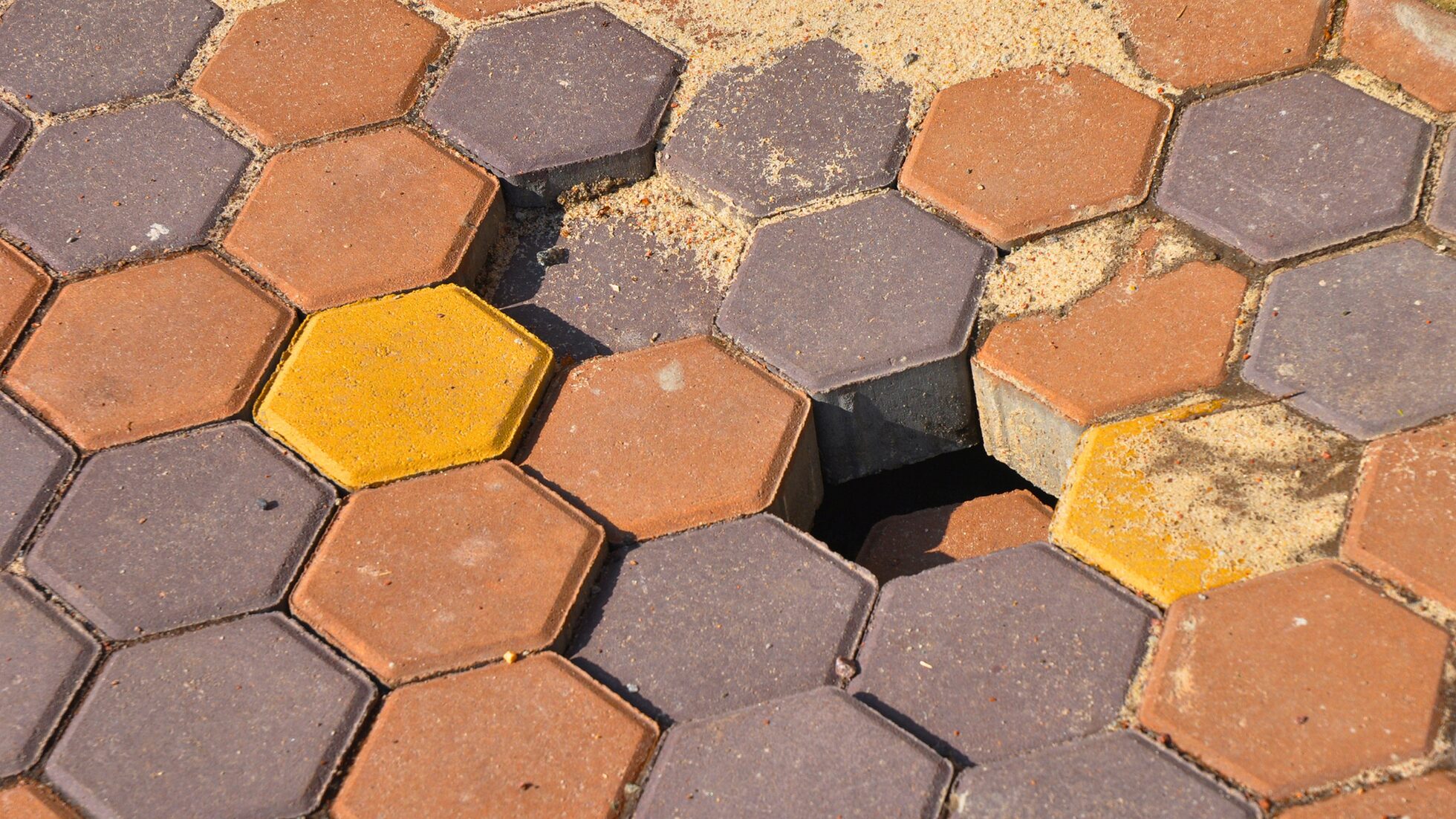
Should You Repair or Replace Your Damaged Masonry?
When homeowners notice cracked brick, crumbling mortar, a damaged chimney, loose stone, uneven pavers, or a leaning retaining wall, one of the first questions is whether the issue can be repaired or if the entire feature needs to be replaced.
The answer depends on the type of damage, how far it has spread, what caused it, and whether the structure is still stable. In many cases, masonry can be repaired when problems are caught early. In other situations, replacement or partial rebuilding may be the safer and longer-lasting option.
For homeowners in Greater Cincinnati, understanding the difference can help you make a more confident decision before small issues become larger repair needs.
Quick Answer: Should Damaged Masonry Be Repaired or Replaced?
Damaged masonry can often be repaired when the issue is limited to cracked brick, failing mortar, loose stones, small chimney problems, uneven pavers, or localized concrete damage. Replacement may be needed when the structure is unstable, severely deteriorated, collapsing, repeatedly failing, or affected by major drainage, soil, or structural issues.
Why the Cause of the Damage Matters
Before deciding between repair and replacement, it is important to understand what caused the damage. A visible crack may be the symptom, but moisture, movement, drainage, rusting lintels, soil pressure, or base failure may be the real problem.
Common causes of masonry damage include:
- Moisture intrusion
- Freeze-thaw cycles
- Deteriorated mortar
- Soil movement
- Poor drainage
- Rusting lintels
- Retaining wall pressure
- Paver base failure
- Age and natural wear
- Previous improper repairs
If the cause is not addressed, the same damage can come back even after a repair.
When Masonry Repair May Be the Right Option
Masonry repair may be the right option when the damage is limited, the surrounding structure is still stable, and the original material can be preserved.
Repair may make sense when you have:
- A few cracked or damaged bricks
- Crumbling mortar joints
- Localized chimney damage
- Loose stones in a mostly stable wall
- Uneven pavers in one section
- Cracked concrete that is still serviceable
- A retaining wall with repairable movement
- Lintel damage that can be corrected before broader wall movement occurs
Repair is often preferred when it can restore performance, preserve appearance, and prevent unnecessary replacement.
When Replacement May Be Needed
Replacement may be needed when the masonry is severely deteriorated, unstable, unsafe, or no longer able to perform its intended function. In these cases, patching the visible problem may not provide a long-term solution.
Replacement or rebuilding may be recommended when:
- A wall is collapsing or severely leaning
- Large sections of brick or stone are loose
- A chimney is structurally unsafe
- A retaining wall has failed beyond repair
- Concrete is severely broken or unstable
- Pavers have widespread base failure
- Drainage problems have caused repeated damage
- Previous repairs have failed multiple times
- The underlying structure is compromised
A professional inspection can help determine whether targeted repair, partial rebuilding, or full replacement is the best option.
Brick Repair vs. Brick Replacement
Brick damage does not always mean an entire wall needs to be replaced. If only certain bricks are cracked, spalling, loose, or damaged, those bricks may be replaced while preserving the surrounding masonry.
Brick repair may be appropriate when:
- Damage is limited to individual bricks
- The wall is still stable
- Mortar can be repaired through tuck-pointing
- The issue has not spread widely
- Brick movement is not severe
Larger replacement may be needed when:
- Many bricks are failing
- The wall is bowing or separating
- Moisture damage is widespread
- Structural movement is present
- The surrounding masonry is unstable
The goal is to repair what can be saved while addressing the source of the damage.
Tuck-Pointing vs. Masonry Rebuilding
When mortar joints are cracked, missing, or crumbling, tuck-pointing may be enough to restore the masonry. Tuck-pointing removes deteriorated mortar and replaces it with new mortar.
Tuck-pointing may be the right option when:
- Bricks or stones are still in good condition
- The wall is stable
- Mortar is the main issue
- Damage is limited to the joints
- Water is entering through deteriorated mortar
Rebuilding may be needed when:
- Bricks or stones are loose throughout the wall
- The wall is leaning or bulging
- Mortar failure is widespread and structural
- Sections are collapsing
- The masonry can no longer support itself properly
Tuck-pointing is a repair for failing mortar, but it is not a substitute for rebuilding unstable masonry.
Chimney Repair vs. Chimney Rebuild
Chimneys often experience brick, mortar, crown, cap, and moisture-related damage. Many chimney issues can be repaired when they are caught early.
Chimney repair may make sense when:
- Mortar joints are deteriorating
- A few bricks are cracked or spalling
- The crown or cap needs attention
- Water damage is localized
- The chimney is still stable
A chimney rebuild may be needed when:
- The chimney is leaning
- Large sections are loose or deteriorated
- The chimney is separating from the home
- Masonry damage is severe near the top
- The structure is unsafe
- Previous repairs have not held
Because chimneys are exposed to weather from all sides, timely repair can help prevent the need for a larger rebuild.
Stone Wall Repair vs. Replacement
Older stone walls often have character that homeowners want to preserve. In many cases, a stone wall can be repaired by resetting stones, repairing mortar joints, correcting drainage, or rebuilding a limited section.
Stone wall repair may be appropriate when:
- Stones can be reused
- Damage is limited to one area
- Mortar has failed but the wall is mostly stable
- A section needs to be reset
- The homeowner wants to preserve the original look
Replacement may be needed when:
- The wall is collapsing
- A large section is unstable
- Soil pressure has severely moved the wall
- Drainage issues have caused repeated failure
- The wall is no longer safe
Professional stone wall repair can often preserve much of the original wall while improving stability.
Retaining Wall Repair vs. Rebuild
Retaining walls are structural features that hold back soil. Because they deal with pressure, drainage, and movement, deciding between repair and rebuilding depends heavily on the wall’s condition and the cause of failure.
Retaining wall repair may be possible when:
- Movement is limited
- Drainage issues can be corrected
- Loose sections can be reset
- The wall is not severely leaning
- The base remains stable
A rebuild may be needed when:
- The wall is severely leaning or bulging
- Soil pressure has overwhelmed the wall
- Drainage failure is extensive
- The wall is unsafe
- Large sections have shifted or collapsed
A retaining wall repair should not just address the visible wall surface. Drainage and soil conditions should also be considered.
Paver Repair vs. Replacement
Uneven pavers do not always mean the entire patio, walkway, or driveway needs to be replaced. Many paver issues can be corrected by lifting the affected section, repairing the base, and resetting the pavers.
Paver repair may be appropriate when:
- Settling is limited to one area
- Pavers are still usable
- The base can be corrected
- Edges can be secured
- Drainage can be improved
Replacement may be needed when:
- The entire surface has widespread base failure
- Pavers are severely damaged
- Drainage problems are extensive
- The layout no longer functions
- Repairs would not provide a lasting result
Paver repair is often a practical way to restore safety and appearance without replacing the full surface.
Concrete Repair vs. Replacement
Concrete repair may be possible when cracks, chips, or surface damage are limited. However, replacement may be needed when concrete is severely broken, unstable, or heavily settled.
Concrete repair may make sense when:
- Cracks are localized
- Steps or edges can be repaired
- The surface is mostly stable
- Damage affects a specific section
- Drainage can be corrected
Replacement may be needed when:
- Concrete is severely heaved or sunken
- Large areas are crumbling
- The surface is unsafe
- Cracks are widespread
- The base beneath the concrete has failed
A professional can help determine whether repair is practical or whether replacement will provide a better long-term solution.
The Value of Preserving Existing Masonry
Repairing masonry when possible can help preserve the original appearance, reduce unnecessary demolition, and maintain the character of the home. This is especially important for older brick homes, stone walls, chimneys, and exterior masonry features.
Repair can help preserve:
- Original brickwork
- Stone wall character
- Existing paver layouts
- Curb appeal
- Historic or older home details
- Materials that still have useful life
The key is knowing when repair is enough and when replacement is the safer recommendation.
Why Professional Evaluation Matters
It can be difficult for homeowners to know whether masonry should be repaired or replaced based on appearance alone. A small crack may have a serious cause, while a more visible issue may be repairable.
A professional masonry repair evaluation can help determine:
- What caused the damage
- Whether the structure is stable
- Whether water or drainage is involved
- Whether repair will last
- Whether partial rebuilding is needed
- Whether replacement is the better option
- Which repair should be prioritized first
The right recommendation should be based on long-term performance, not just a quick visual patch.
Masonry Repair Services from HICON
HICON helps homeowners throughout Greater Cincinnati evaluate and repair damaged masonry and hardscape features. Whether your home needs brick repair, tuck-pointing, chimney repair, lintel repair, stone wall repair, concrete repair, or paver and retaining wall repairs, our team can recommend the right next step.
Our residential repair services include:
- Brick repair
- Tuck-pointing
- Chimney repair
- Lintel repair
- Stone wall repair
- Concrete repair
- Paver and retaining wall repairs
HICON focuses on skilled workmanship, practical repair solutions, and long-term performance for homeowners.
Request a Masonry Repair Estimate
If you are unsure whether your damaged masonry should be repaired or replaced, HICON can inspect the issue and recommend the right approach.
FAQs About Repairing or Replacing Masonry
Can damaged masonry be repaired?
Yes. Damaged masonry can often be repaired when the issue is limited and the surrounding structure is stable. Common repairs include brick replacement, tuck-pointing, chimney repair, stone wall repair, concrete repair, and paver repair.
When does masonry need to be replaced?
Masonry may need to be replaced when it is severely deteriorated, unstable, collapsing, unsafe, or affected by widespread structural, drainage, or base failure.
Is tuck-pointing better than rebuilding?
Tuck-pointing is better when the bricks or stones are stable and the main issue is deteriorated mortar. Rebuilding may be needed when the masonry is leaning, bulging, loose, or structurally unstable.
Can a chimney be repaired instead of rebuilt?
Yes. A chimney can often be repaired if the damage is limited to mortar, a few bricks, or crown and cap issues. A rebuild may be needed if the chimney is leaning, separating, or severely deteriorated.
Can uneven pavers be repaired without replacing the whole patio?
Yes. Uneven pavers can often be repaired by lifting the affected section, correcting the base, and resetting the pavers.
How do I know if my retaining wall needs repair or replacement?
A retaining wall may be repairable if movement is limited and drainage issues can be corrected. Replacement or rebuilding may be needed if the wall is severely leaning, bulging, collapsing, or unsafe.
When should I call HICON for a masonry evaluation?
You should call HICON if you notice cracked brick, crumbling mortar, chimney damage, loose stone, leaning walls, uneven pavers, cracked concrete, or any masonry issue that appears to be getting worse.