
Blog
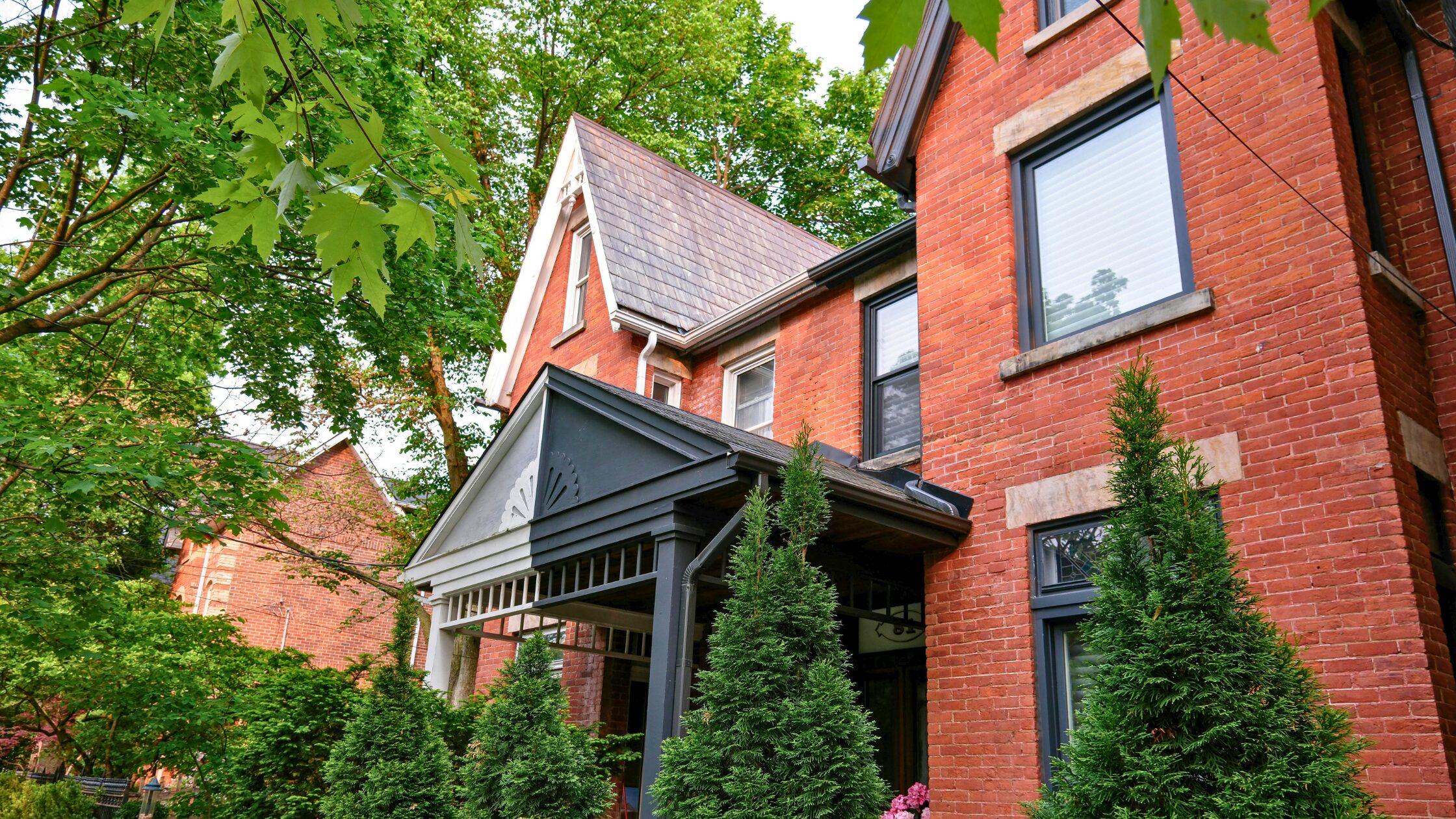
Common Masonry Problems Found in Older Cincinnati Homes
Common Masonry Problems Found in Older Cincinnati Homes
Older homes throughout Greater Cincinnati often have brick, stone, concrete, chimneys, retaining walls, and other masonry features that give them lasting character. But age, weather, moisture, freeze-thaw cycles, settling, and previous repairs can all take a toll over time.
If you own an older home, it is important to know which masonry problems are most common and when they should be repaired. Small cracks, loose mortar, rust stains, or shifting walls may seem minor at first, but they can point to larger issues that should not be ignored.
Here are common masonry problems homeowners may find in older Cincinnati homes.
Quick Answer: What Masonry Problems Are Common in Older Cincinnati Homes?
Common masonry problems in older Cincinnati homes include cracked brick, crumbling mortar, chimney deterioration, rusting lintels, loose stone walls, cracked concrete, uneven pavers, leaning retaining walls, water damage, and drainage-related masonry issues. These problems should be inspected before they spread or become more expensive to repair.
Why Older Homes Often Need Masonry Repair
Masonry materials are durable, but they still age. Brick, mortar, stone, and concrete are exposed to decades of weather, moisture, soil movement, and temperature changes. Over time, even well-built masonry can need repair.
Older homes may develop masonry issues because of:
- Natural aging
- Freeze-thaw cycles
- Moisture intrusion
- Settling
- Deteriorated mortar
- Rusting steel components
- Poor drainage
- Soil movement
- Previous patchwork repairs
- Wear around chimneys, steps, patios, and walls
For many homeowners, the goal is not to replace the character of the home, but to repair and preserve it properly.
Cracked Brick
Cracked brick is one of the most visible signs of masonry damage. In older homes, cracks can appear because of moisture, movement, age, or pressure around windows, doors, chimneys, and foundations.
Watch for:
- Stair-step cracks
- Vertical or horizontal cracks
- Cracked bricks near windows or doors
- Cracks around chimneys
- Broken or missing brick pieces
- Brick separating from nearby mortar
A few cracked bricks may be repairable, but cracks that continue to widen or spread should be inspected.
Crumbling Mortar
Mortar is often the first part of older masonry to fail. When mortar begins to crack, crumble, recede, or fall out, water can enter the wall more easily.
Signs of mortar deterioration include:
- Missing mortar
- Sandy or powdery mortar
- Deep gaps between bricks or stones
- Cracked joints
- Mortar that falls out when touched
- Water stains near masonry joints
Tuck-pointing may be needed when the brick or stone is still stable but the mortar joints have deteriorated.
Chimney Deterioration
Chimneys are especially vulnerable in older homes because they are fully exposed to weather. Rain, snow, ice, wind, and temperature swings can wear down chimney brick and mortar over time.
Common chimney issues include:
- Cracked chimney brick
- Spalling or flaking brick
- Crumbling mortar joints
- Loose brick near the top
- Damaged chimney crown or cap
- Water stains
- Leaning or separation
Chimney damage should not be delayed because moisture can continue to move through the masonry and worsen the problem.
Rusting or Failing Lintels
Many brick homes have steel lintels above windows and doors. A lintel supports the masonry above the opening. When steel lintels rust, they can expand and push against the surrounding brick.
Signs of lintel problems include:
- Cracks above windows or doors
- Rust stains near openings
- Brick lifting or shifting
- Gaps between brick and window frames
- Stair-step cracking near openings
- Deteriorated mortar above doors or windows
Lintel repair is important because failing lintels can affect the masonry above the opening.
Stone Wall Damage
Many older Cincinnati-area properties include stone walls, stone retaining walls, or stone masonry accents. These features can often be preserved, but they may need specialized repair.
Common stone wall problems include:
- Loose stones
- Missing mortar
- Leaning sections
- Bulging areas
- Gaps between stones
- Soil erosion near the wall
- Drainage problems
Stone wall repair can help preserve the look of the wall while improving stability and long-term performance.
Concrete Cracks and Deterioration
Older homes often have concrete steps, walkways, patios, landings, and exterior surfaces that have been exposed to years of weather and use.
Concrete problems may include:
- Cracked steps
- Uneven walkways
- Crumbling edges
- Surface flaking
- Settled sections
- Trip hazards
- Water pooling
Concrete repair may be needed when damage affects safety, drainage, or the usability of the area.
Uneven Pavers and Settling Patios
Paver patios, walkways, and driveways can shift or settle over time. This may be caused by drainage problems, base failure, soil movement, tree roots, or age.
Signs of paver problems include:
- Sunken pavers
- Raised or uneven areas
- Loose pavers
- Water pooling
- Edges spreading apart
- Gaps between pavers
- Trip hazards
In many cases, uneven pavers can be repaired by lifting the affected section, correcting the base, and resetting the surface.
Leaning Retaining Walls
Retaining walls hold back soil, which means they are constantly under pressure. Older retaining walls may begin to move if drainage is poor, soil pressure increases, or the wall’s base has shifted.
Warning signs include:
- Leaning or bowing
- Bulging sections
- Cracks
- Separation between wall sections
- Loose stone, brick, or block
- Soil erosion
- Water collecting behind the wall
A leaning retaining wall should be evaluated before the movement gets worse.
Water Damage and Drainage Issues
Water is one of the biggest threats to older masonry. When water enters cracks, deteriorated mortar, paver bases, retaining wall areas, or concrete surfaces, it can create repeated damage.
Signs of water-related masonry problems include:
- White staining on brick or stone
- Dark moisture stains
- Crumbling mortar
- Spalling brick
- Water pooling near masonry
- Wet soil behind retaining walls
- Repeated settling in the same area
- Interior moisture near exterior masonry
Addressing drainage is often just as important as repairing the visible damage.
Previous Repairs That Did Not Hold Up
Older homes may have had several repairs over the years. Some may have been done well, while others may have used the wrong materials or only addressed the surface issue.
Signs of previous repair problems include:
- Mismatched mortar
- Patchy brickwork
- Mortar cracking again
- Repairs separating from surrounding masonry
- Water damage returning
- Uneven or unstable repaired areas
A professional masonry contractor can evaluate whether an old repair is still performing or whether it needs to be corrected.
When Should Older Home Masonry Be Inspected?
Older home masonry should be inspected when you notice cracking, crumbling mortar, loose brick, chimney damage, lintel rust, leaning walls, uneven pavers, damaged concrete, or signs of water intrusion.
You should also consider an inspection if:
- Damage appears to be spreading
- Cracks are widening
- Masonry is loose or unstable
- Water is collecting near masonry features
- A chimney looks deteriorated
- A retaining wall is leaning
- Mortar is missing or falling out
Catching masonry problems early can help preserve more of the original structure and reduce the need for larger repairs.
Preserving the Character of Older Homes
One of the advantages of masonry repair is that it can often preserve the character of an older home. Rather than replacing entire features, targeted repair may restore the damaged areas while keeping the original look intact.
This may include:
- Replacing only damaged bricks
- Tuck-pointing deteriorated mortar
- Resetting original stones
- Repairing chimney masonry
- Correcting lintel-related brick movement
- Repairing pavers or concrete where needed
- Stabilizing retaining walls
The right repair approach should balance appearance, safety, and long-term performance.
Residential Masonry Repair Services from HICON
HICON helps homeowners throughout Greater Cincinnati repair and preserve masonry and hardscape features around their homes. Whether your older home has cracked brick, failing mortar, chimney damage, lintel issues, loose stone, cracked concrete, uneven pavers, or retaining wall movement, our team can evaluate the issue and recommend the right repair.
Our residential repair services include:
- Brick repair
- Tuck-pointing
- Chimney repair
- Lintel repair
- Stone wall repair
- Concrete repair
- Paver and retaining wall repairs
HICON focuses on skilled workmanship, practical repair solutions, and long-term performance for homeowners.
Request a Masonry Repair Estimate
If your older Cincinnati home has cracked brick, failing mortar, chimney damage, lintel issues, stone wall damage, uneven pavers, or retaining wall concerns, HICON can help determine the right repair approach.
FAQs About Masonry Problems in Older Cincinnati Homes
What masonry problems are common in older homes?
Common masonry problems in older homes include cracked brick, crumbling mortar, chimney damage, rusting lintels, loose stone walls, cracked concrete, uneven pavers, leaning retaining walls, and water damage.
Why does mortar crumble on older homes?
Mortar can crumble because of age, weather exposure, moisture, freeze-thaw cycles, or previous repairs. When mortar deteriorates, tuck-pointing may be needed to restore the joints.
Are cracks above windows a masonry problem?
Yes. Cracks above windows can be a masonry problem and may be related to lintel issues, brick movement, mortar deterioration, or moisture damage.
Can older brickwork be repaired without replacing the wall?
Yes. Older brickwork can often be repaired by replacing damaged bricks, tuck-pointing mortar joints, and addressing the cause of the damage.
Why do older chimneys need repair?
Older chimneys are exposed to weather from all sides, which can lead to cracked brick, spalling, crumbling mortar, damaged crowns, water stains, and loose masonry.
Can old stone walls be preserved?
Yes. Many old stone walls can be preserved through stone wall repair, including resetting loose stones, repairing mortar joints, improving drainage, and stabilizing damaged sections.
When should I call HICON for older home masonry repair?
You should call HICON if you notice cracked brick, crumbling mortar, chimney damage, rust stains above windows, loose stone, cracked concrete, uneven pavers, leaning walls, or water-related masonry damage.