
Blog
Why Water Is One of the Biggest Threats to Masonry Around Your Home
Masonry is built to be durable, but water can create serious problems when it gets into the wrong places. Brick, mortar, chimneys, stone walls, concrete, pavers, and retaining walls are all affected by moisture over time. When water enters cracks, settles behind walls, pools on surfaces, or freezes inside masonry, small issues can quickly become larger repairs.
For homeowners in Greater Cincinnati, changing weather, rain, humidity, freeze-thaw cycles, and drainage problems can all contribute to masonry water damage. Understanding how water affects masonry can help you spot warning signs early and schedule repairs before the damage spreads.
Quick Answer: How Does Water Damage Masonry?
Water damages masonry by entering cracks, mortar joints, brick, stone, concrete, or gaps around hardscape features. Once inside, water can freeze and expand, wash out supporting materials, cause mortar deterioration, create spalling brick, increase pressure behind retaining walls, and lead to cracks, movement, or structural damage.
Why Water Is So Hard on Masonry
Water becomes a problem when it is able to enter, collect, or remain trapped in masonry and hardscape areas. Many materials can handle some moisture, but repeated exposure can weaken joints, widen cracks, and affect the structure below or behind the visible surface.
Water can damage masonry by:
- Entering cracks and gaps
- Freezing and expanding
- Softening soil beneath patios or walkways
- Washing out paver base material
- Increasing pressure behind retaining walls
- Breaking down mortar joints
- Causing brick or stone movement
- Creating stains and surface deterioration
The longer water stays in or around masonry, the more damage it can cause.
Freeze-Thaw Damage
Freeze-thaw damage happens when water enters masonry, freezes, expands, and places pressure on the surrounding material. As this cycle repeats, cracks can widen, mortar can loosen, and brick or concrete surfaces can begin to break down.
Freeze-thaw damage may cause:
- Cracked brick
- Spalling or flaking brick
- Crumbling mortar
- Larger concrete cracks
- Loose stone
- Paver movement
- Surface deterioration
This is one reason small cracks should not be ignored. Even a narrow opening can allow water to enter and make the damage worse.
Mortar Deterioration
Mortar is especially vulnerable to water damage because it sits between brick or stone and is constantly exposed to weather. When mortar joints crack, crumble, or recede, they create openings where water can enter.
Signs of water-related mortar damage include:
- Crumbling mortar
- Missing mortar
- Deep or recessed joints
- Cracked joints
- Mortar that feels sandy
- Gaps between bricks or stones
- Water stains near joints
Tuck-pointing may be needed when deteriorated mortar is allowing moisture into the masonry.
Brick Damage and Spalling
Brick can be damaged when water enters the material and freezes or remains trapped. One common result is spalling, where the face of the brick flakes, chips, or breaks away.
Signs of water-damaged brick include:
- Flaking brick surfaces
- Cracked bricks
- Loose bricks
- Brick faces breaking off
- White staining or efflorescence
- Dark moisture stains
- Brick that looks soft or worn
Brick repair may be needed when the brick itself is damaged, not just the mortar around it.
Chimney Water Damage
Chimneys are highly exposed to weather because they sit above the roofline. Rain, snow, ice, and wind can affect the brick, mortar, crown, cap, and flashing areas.
Water-related chimney problems may include:
- Cracked chimney brick
- Spalling brick
- Crumbling mortar
- Damaged crown or cap
- Rust stains
- Water stains near the chimney
- Loose brick
- Leaning or separation
Chimney water damage should be addressed early because moisture can continue to move through the masonry and lead to more extensive repairs.
Retaining Wall Drainage Problems
Water is one of the biggest causes of retaining wall problems. When water collects behind a retaining wall, it adds weight and pressure. That pressure can cause the wall to lean, bulge, crack, or separate.
Signs of retaining wall drainage problems include:
- Water pooling behind the wall
- Wet soil that does not dry
- Bulging sections
- Leaning walls
- Soil erosion near the base
- Cracks or separation
- Mud or washout around the wall
A retaining wall repair should often include a review of drainage so the same issue does not continue after the repair.
Stone Wall Water Damage
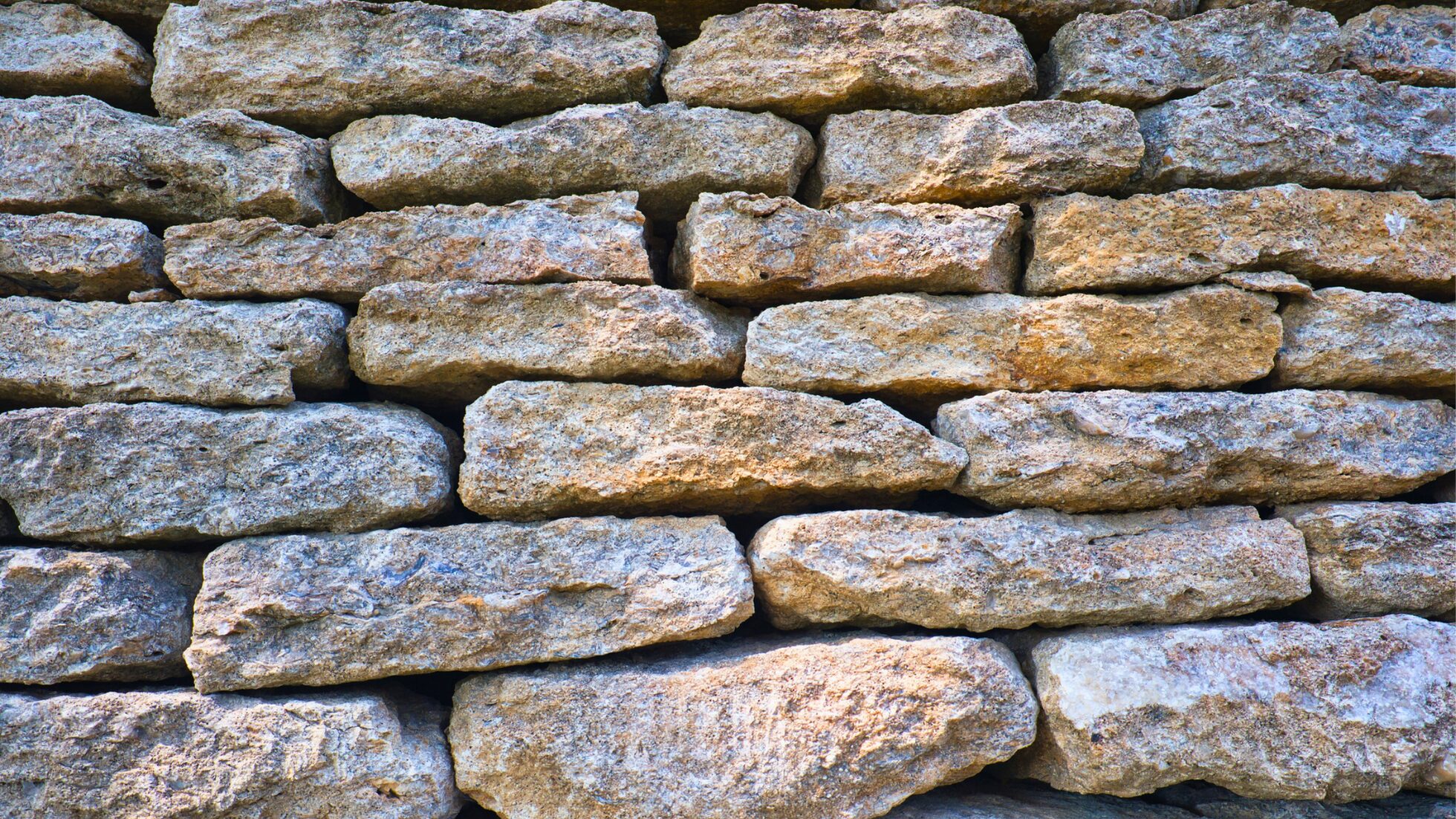
Stone walls can also be affected by water, especially older walls with aging mortar or drainage issues. Moisture can loosen mortar, shift stones, and increase pressure behind retaining walls.
Signs of water damage in stone walls include:
- Loose stones
- Missing or crumbling mortar
- Bulging areas
- Leaning sections
- Gaps between stones
- Erosion around the wall
- Water staining
Stone wall repair can help preserve the appearance and stability of the wall while addressing the effects of moisture.
Concrete Cracks and Water Intrusion
Concrete cracks often become worse when water enters and freezes. Water can also settle beneath concrete slabs, steps, or walkways and contribute to soil movement or settlement.
Water-related concrete problems include:
- Widening cracks
- Uneven surfaces
- Flaking or scaling
- Crumbling edges
- Sunken sections
- Water pooling on the surface
- Trip hazards
Concrete repair should be considered when cracks affect safety, drainage, or nearby masonry features.
Paver Settling and Base Washout
Paver patios, walkways, and driveways depend on a stable base. When water drains poorly or washes out base material, the pavers above can sink, shift, or become uneven.
Signs water may be affecting pavers include:
- Sunken pavers
- Uneven surfaces
- Water pooling
- Loose or rocking pavers
- Washed-out joints
- Edges spreading
- Repeated settling in the same area
Paver repair may involve lifting the affected pavers, correcting the base, improving drainage, and resetting the surface.
Efflorescence and Staining
Efflorescence is the white, powdery staining that can appear on brick, stone, or concrete when moisture moves through masonry and leaves mineral deposits behind. While the stain itself may be cosmetic, it can be a clue that water is moving through the material.
Watch for:
- White powdery stains
- Dark water marks
- Rust stains
- Staining near cracks or joints
- Stains below chimney crowns or caps
- Repeated staining after rain
Staining does not always mean a major repair is needed, but it should be evaluated if it appears with cracks, loose masonry, or moisture problems.
Common Places Water Causes Masonry Damage
Water damage can show up in several areas around the home. During a visual inspection, homeowners should pay attention to:
- Chimneys
- Brick walls
- Window and door openings
- Mortar joints
- Stone walls
- Retaining walls
- Paver patios and walkways
- Concrete steps and sidewalks
- Areas near downspouts
- Low spots where water collects
These areas are more likely to experience moisture exposure, drainage problems, or freeze-thaw damage.
How to Reduce the Risk of Masonry Water Damage
Homeowners can reduce water-related masonry problems by keeping an eye on drainage and addressing visible damage early.
Helpful steps include:
- Keep gutters and downspouts working properly
- Direct water away from masonry surfaces
- Watch for pooling near patios, walls, and walkways
- Repair cracks and missing mortar early
- Address chimney crown or cap issues
- Monitor retaining walls after heavy rain
- Inspect pavers for settling or washout
- Schedule professional repairs when damage appears
Preventing water from entering or collecting around masonry can help extend the life of repairs.
When Should You Call a Professional?
You should call a masonry repair professional if you notice signs of water damage, including cracked brick, crumbling mortar, spalling, chimney deterioration, leaning retaining walls, loose stone, uneven pavers, concrete cracks, or repeated water pooling.
A professional can help determine:
- Where water is entering
- Whether the damage is cosmetic or structural
- Whether mortar, brick, stone, or concrete needs repair
- Whether drainage is contributing to the problem
- Whether nearby features are being affected
- What repair should happen first
The goal is to address both the visible damage and the moisture issue causing it.
Masonry Water Damage Repair Services from HICON
HICON helps homeowners throughout Greater Cincinnati repair masonry and hardscape damage caused or worsened by water. Whether you are dealing with cracked brick, failing mortar, chimney damage, a leaning retaining wall, loose stone, cracked concrete, or uneven pavers, our team can evaluate the issue and recommend the right repair.
Our residential repair services include:
- Brick repair
- Tuck-pointing
- Chimney repair
- Lintel repair
- Stone wall repair
- Concrete repair
- Paver and retaining wall repairs
HICON focuses on skilled workmanship, practical repair solutions, and long-term performance for homeowners.
Request a Masonry Repair Estimate
If water is damaging the masonry or outdoor surfaces around your home, HICON can help identify the issue and recommend the right next step.
FAQs About Masonry Water Damage
How does water damage masonry?
Water can enter cracks, mortar joints, brick, stone, concrete, or gaps around hardscape features. It can then freeze, expand, wash out supporting material, weaken mortar, or increase pressure behind walls.
What are signs of masonry water damage?
Common signs include cracked brick, spalling, crumbling mortar, white staining, dark water stains, loose stone, leaning retaining walls, concrete cracks, uneven pavers, and water pooling.
What is freeze-thaw damage?
Freeze-thaw damage happens when water enters masonry, freezes, expands, and causes cracks, spalling, crumbling mortar, or surface deterioration.
Can water damage brick?
Yes. Water can damage brick by entering cracks or porous areas, freezing, expanding, and causing cracking, spalling, or loose brick.
Why does water cause retaining walls to fail?
Water adds weight and pressure behind retaining walls. Without proper drainage, that pressure can cause leaning, bulging, cracking, separation, or wall movement.
Can pavers sink because of water?
Yes. Poor drainage can wash out the base beneath pavers, causing them to sink, shift, or become uneven.
When should I call HICON for masonry water damage?
You should call HICON if you notice cracked brick, crumbling mortar, chimney damage, loose stone, leaning retaining walls, uneven pavers, cracked concrete, or repeated water pooling around masonry features.