
Blog
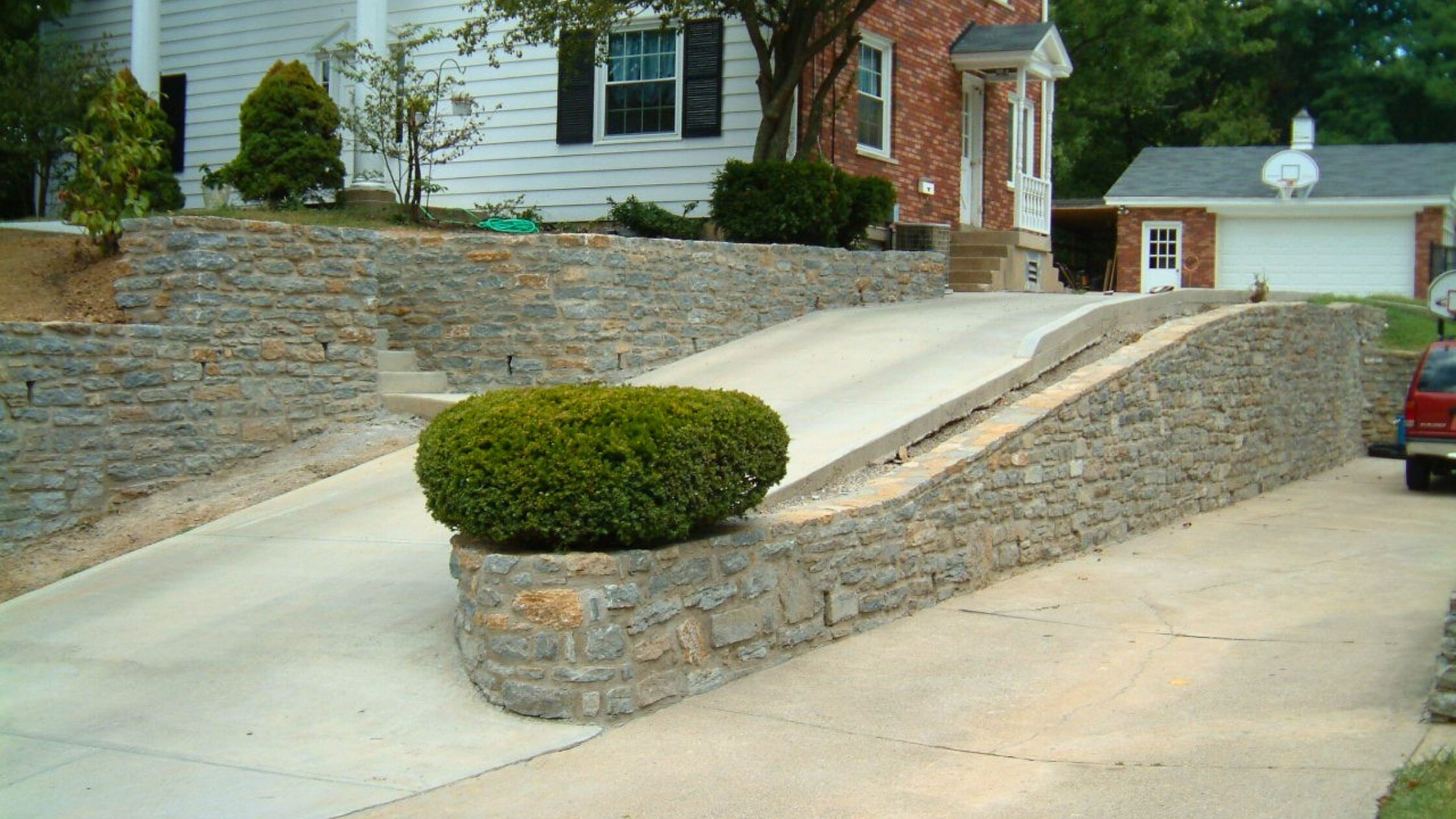
Stone Wall Repair: How to Preserve Older Walls Without Replacing Them
Stone walls add character, structure, and long-term value to a home. Whether they are used as retaining walls, landscape walls, property features, or older masonry accents, stone walls often have a timeless look that homeowners want to preserve.
But like any masonry feature, stone walls can deteriorate over time. Mortar can crumble, stones can loosen, drainage problems can develop, and sections of the wall may begin to lean, bulge, or shift. When that happens, many homeowners wonder whether the wall needs to be replaced entirely.
In many cases, an older stone wall can be repaired rather than replaced. The key is understanding what is causing the damage and addressing the issue before it becomes more severe.
Quick Answer: Can an Older Stone Wall Be Repaired?
Yes. Older stone walls can often be repaired by resetting loose stones, replacing deteriorated mortar, correcting drainage issues, stabilizing leaning or bulging sections, and repairing damaged areas. A professional stone wall repair can help preserve the wall’s appearance while improving its stability and performance.
Why Older Stone Walls Need Specialized Repair
Stone walls are different from newer block or concrete walls. They often include irregular materials, older mortar, unique construction methods, and natural character that should be preserved whenever possible.
A proper stone wall repair should consider:
- The type of stone
- The condition of the mortar
- How the wall was originally built
- Whether the wall is retaining soil
- Drainage behind or around the wall
- Areas of movement or settlement
- Matching the repair to the existing wall
The goal is not just to make the wall look better. The repair should help the wall function properly while maintaining the look that makes it worth preserving.
Common Problems with Stone Walls
Stone wall problems can develop slowly. At first, a few loose stones or missing mortar joints may not seem like a major concern. Over time, those small issues can allow more water, soil movement, and structural pressure to affect the wall.
Common stone wall problems include:
- Loose stones
- Missing or crumbling mortar
- Cracks or open gaps
- Leaning sections
- Bulging areas
- Water damage
- Soil erosion
- Drainage problems
- Settling or movement
These issues should be inspected early, especially if the wall is holding back soil or supporting another outdoor feature.
Loose Stones or Missing Mortar
Loose stones and missing mortar are two of the most common signs that stone wall repair may be needed. Mortar helps lock the stones together. When it breaks down, the wall can lose strength and allow moisture to enter more easily.
Signs of mortar failure include:
- Mortar falling out between stones
- Deep gaps in joints
- Crumbling or sandy mortar
- Loose stones
- Stones that can be moved by hand
- Open spaces where water can enter
If the stones are still in usable condition, a professional may be able to reset them and repair the mortar joints instead of replacing the entire wall.
Leaning or Bulging Stone Walls
A stone wall should not noticeably lean or bulge outward. Movement can be a sign of soil pressure, water buildup, base movement, or weakened masonry.
Watch for:
- Sections leaning forward
- A wall that looks bowed or uneven
- Stones pushing outward
- Cracks near the bulging area
- Soil shifting behind the wall
- Gaps forming between stones
Leaning and bulging should be taken seriously, especially if the stone wall is functioning as a retaining wall. The longer pressure continues, the more extensive the repair may become.
Cracks, Gaps, and Separation
Cracks and gaps can form in stone walls because of age, settlement, weather exposure, or pressure behind the wall. These openings can allow water to enter and make the damage worse.
Common warning signs include:
- Open gaps between stones
- Cracks through mortar joints
- Sections separating from each other
- Stones shifting out of alignment
- Wider gaps after heavy rain or freeze-thaw cycles
A professional repair can help determine whether the issue is limited to the mortar or whether the wall structure needs additional stabilization.
Moisture and Drainage Issues
Water is one of the biggest causes of stone wall deterioration. When water collects behind or around a stone wall, it can increase pressure, soften soil, wash out support, and contribute to mortar breakdown.
Signs of moisture and drainage problems include:
- Wet soil behind the wall
- Water stains on stone or mortar
- Soil erosion near the base
- Moss or vegetation growing heavily in joints
- Bulging after heavy rain
- Repeated mortar deterioration in the same area
Stone wall repair should often include a drainage review. Repairing the visible damage without addressing water issues can lead to repeat problems.
Stone Retaining Wall Repair
Many residential stone walls are also retaining walls, which means they hold back soil. These walls need to be structurally sound because they are managing pressure from the ground behind them.
A stone retaining wall may need repair if you notice:
- Leaning or bowing
- Soil pushing through gaps
- Stones shifting outward
- Water collecting behind the wall
- Erosion near the base
- Cracks or loose sections
Stone retaining wall repair may involve resetting stones, rebuilding affected sections, improving drainage, and stabilizing areas that have moved.
Repair vs. Replacement: Which Is Better?
Not every damaged stone wall needs to be replaced. In many cases, repair is the better option, especially when the wall has good stone, historic character, or damage that is limited to certain areas.
Stone wall repair may be appropriate when:
- The wall is mostly stable
- Damage is limited to specific sections
- Stones can be reused
- Mortar has failed but the wall is not severely collapsed
- The homeowner wants to preserve the existing look
- Drainage issues can be corrected
Replacement may be necessary when the wall is severely failing, collapsing, unsafe, or no longer structurally sound. A professional inspection can help determine which approach makes the most sense.
How Professional Stone Wall Repair Helps Preserve Character
Older stone walls often have a look that newer materials cannot easily duplicate. Professional repair can help preserve that character by reusing existing stones when possible and matching the repair to the surrounding masonry.
A careful repair may include:
- Resetting original stones
- Replacing deteriorated mortar
- Matching joint style as closely as possible
- Stabilizing weak sections
- Repairing only the areas that need attention
- Preserving the wall’s natural appearance
This approach helps maintain the wall’s charm while improving its safety and performance.
Why Stone Wall Repairs Shouldn’t Wait
Stone wall problems tend to worsen when water, soil pressure, and movement continue. A few loose stones can become a larger unstable section. Missing mortar can allow more water into the wall. A small bulge can continue moving outward.
Delaying stone wall repair can lead to:
- More loose stones
- Larger gaps
- Increased wall movement
- Drainage-related damage
- Soil erosion
- Collapsing sections
- Higher repair costs
Repairing the wall early can help preserve more of the original structure and reduce the need for larger reconstruction.
When Should You Call a Professional?
You should call a professional if your stone wall has loose stones, missing mortar, cracks, leaning sections, bulging areas, drainage issues, or signs of soil movement. You should also schedule an inspection if the wall is holding back soil or sits near a patio, walkway, driveway, or foundation area.
A professional can evaluate:
- Whether the wall is stable
- What caused the damage
- Whether drainage is contributing
- How much of the wall needs repair
- Whether stones can be reused
- Whether repair or replacement is the better option
Stone Wall Repair Services from HICON
HICON helps homeowners throughout Greater Cincinnati repair and preserve damaged stone walls. Whether your wall has loose stones, deteriorated mortar, leaning sections, drainage concerns, or areas that need to be rebuilt, our team can evaluate the problem and recommend the right repair.
Our residential repair services include:
- Stone wall repair
- Tuck-pointing
- Brick repair
- Retaining wall repair
- Concrete repair
- Chimney repair
- Paver repair
HICON focuses on skilled workmanship, practical repair solutions, and long-term performance for homeowners.
Request a Stone Wall Repair Estimate
If your stone wall is loose, leaning, cracking, or showing signs of mortar deterioration, HICON can help determine whether the wall can be repaired and preserved.
FAQs About Stone Wall Repair
Can an old stone wall be repaired?
Yes. Many old stone walls can be repaired by resetting loose stones, replacing deteriorated mortar, improving drainage, and stabilizing damaged sections.
How do I know if my stone wall needs repair?
Your stone wall may need repair if you notice loose stones, missing mortar, cracks, gaps, leaning, bulging, water damage, or soil erosion around the wall.
Does a leaning stone wall need to be replaced?
Not always. Some leaning stone walls can be repaired or partially rebuilt, depending on the cause and severity of the movement. A professional inspection can determine whether repair or replacement is needed.
What causes stone walls to fail?
Stone walls can fail because of moisture, poor drainage, soil pressure, freeze-thaw cycles, age, base movement, erosion, or deteriorated mortar.
Can the original stones be reused during repair?
In many cases, yes. If the stones are still in good condition, they can often be reset or reused to help preserve the original appearance of the wall.
Is tuck-pointing used for stone walls?
Yes. Tuck-pointing can be used on stone walls when the mortar joints are cracked, crumbling, missing, or recessed.
When should I call HICON for stone wall repair?
You should call HICON if your stone wall has loose stones, failing mortar, leaning sections, bulging areas, drainage problems, or signs of movement.