
Blog
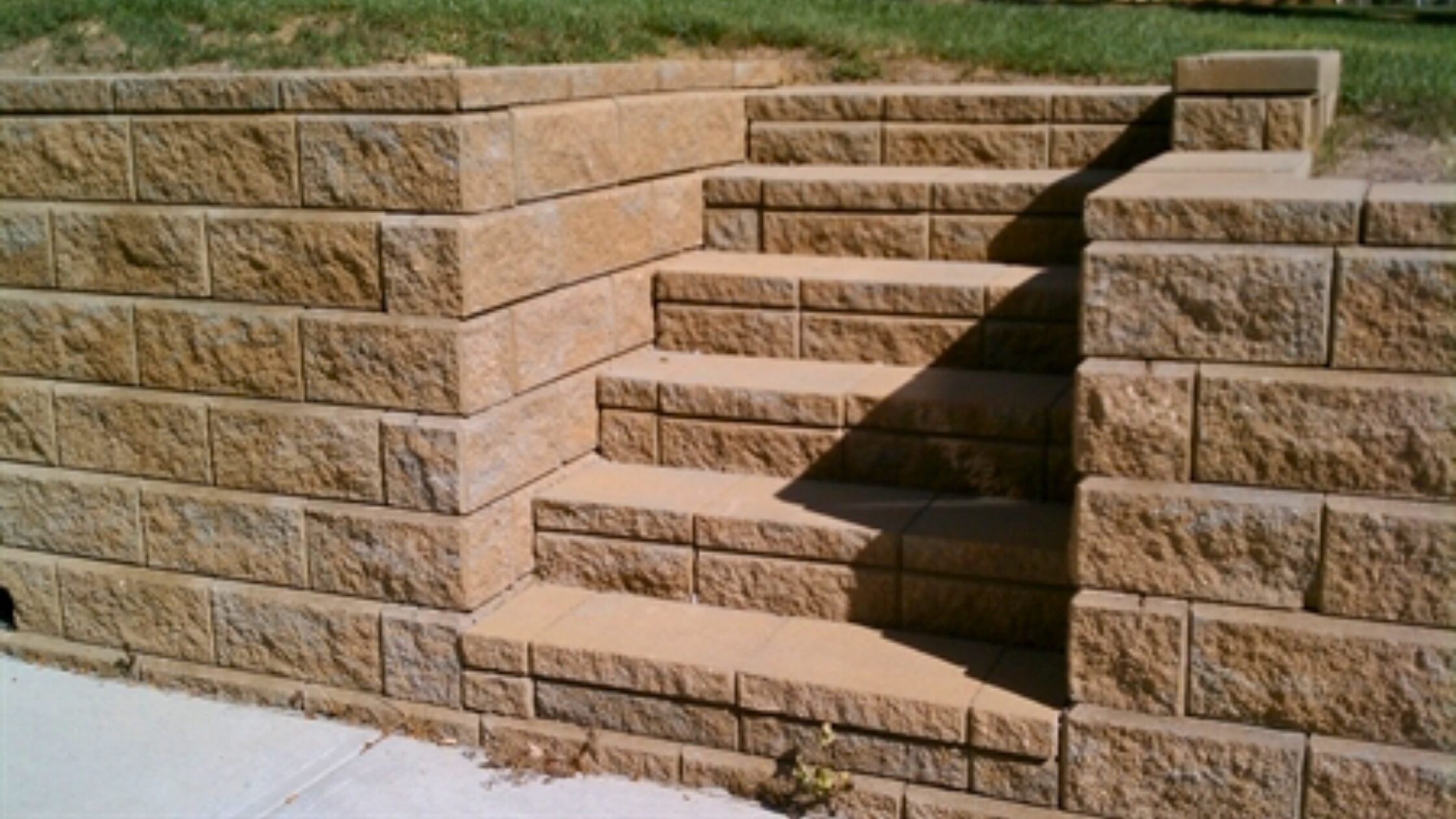
Planning Outdoor Repairs: Pavers, Patios, Retaining Walls, and More
Outdoor spaces take a lot of wear over time. Paver patios, walkways, retaining walls, concrete surfaces, brick features, and stone walls are exposed to moisture, changing temperatures, soil movement, foot traffic, and regular use. When these areas begin to crack, settle, lean, or shift, it can affect both the appearance and safety of your home.
For homeowners in Greater Cincinnati, planning outdoor repairs before heavy summer use can help keep patios, walkways, walls, and exterior masonry areas safer, more functional, and ready to enjoy.
Here is what to check around your home when planning outdoor repairs.
Quick Answer: What Outdoor Repairs Should Homeowners Plan For?
Homeowners should check pavers, patios, walkways, retaining walls, concrete steps, brickwork, stone walls, and drainage areas for cracks, settling, uneven surfaces, loose materials, water pooling, leaning walls, and masonry deterioration. These issues should be repaired before they become larger safety, drainage, or structural concerns.
Why Outdoor Repairs Are Easier to Plan Before Heavy Use
Outdoor repairs are often easier to plan before patios, walkways, and yard areas are being used every day. Once summer gatherings, landscaping projects, outdoor furniture, and regular foot traffic increase, repair work can become more inconvenient.
Planning ahead can help you:
- Improve safety around outdoor areas
- Address trip hazards before more foot traffic
- Repair drainage issues before heavy rain creates more damage
- Restore patios, pavers, and walkways before they are used often
- Prevent small masonry issues from spreading
- Improve curb appeal before outdoor entertaining
- Schedule repairs before calendars fill up
If an outdoor area is already cracked, uneven, leaning, or collecting water, it is better to evaluate it sooner rather than waiting until the problem becomes more disruptive.
Check Pavers and Patios for Settling
Paver patios and walkways can settle over time because of base movement, drainage issues, erosion, tree roots, or normal wear. Uneven pavers may seem like a cosmetic concern, but they can create trip hazards and drainage problems.
Look for:
- Sunken pavers
- Raised or uneven areas
- Loose pavers
- Gaps between pavers
- Water pooling after rain
- Edges spreading or separating
- Areas that rock when walked on
In many cases, paver repair can restore the affected area without replacing the entire patio or walkway. The pavers can often be lifted, the base can be corrected, and the surface can be reset.
Look for Retaining Wall Movement
Retaining walls are important structural features because they hold back soil and help manage grade changes around your property. If a retaining wall starts to move, it should be evaluated before the problem becomes more serious.
Warning signs include:
- Leaning walls
- Bowing or bulging sections
- Cracks in the wall
- Separation between wall sections
- Loose blocks, stones, or bricks
- Soil erosion near the base
- Water collecting behind the wall
Retaining wall problems are often connected to drainage or soil pressure. Repairing the visible damage without addressing the cause may not solve the issue long term.
Inspect Walkways and Concrete Surfaces
Concrete walkways, steps, patios, and landings should be safe and stable. Cracks or uneven surfaces can become trip hazards and may allow water to enter areas where it can cause more deterioration.
Check concrete areas for:
- Widening cracks
- Uneven slabs
- Crumbling edges
- Sunken sections
- Chipped steps
- Water pooling
- Surface flaking or scaling
Concrete repair may be needed when damage affects safety, drainage, appearance, or the long-term performance of nearby masonry and hardscape features.
Review Brick Features Around Your Home
Brick is durable, but outdoor brick features can still crack, loosen, or deteriorate over time. Moisture, temperature changes, aging mortar, and movement can all affect brickwork.
Inspect areas such as:
- Exterior brick walls
- Brick steps
- Brick porches
- Brick columns
- Brick edging
- Brick around windows and doors
- Brick near patios or walkways
Watch for cracked brick, loose brick, deteriorating mortar, white staining, moisture marks, or gaps between brick and mortar. These signs may indicate that brick repair or tuck-pointing is needed.
Check Stone Walls and Masonry Features
Stone walls and stone masonry features often add character to a property, but they can develop loose stones, missing mortar, leaning sections, or drainage problems.
Look for:
- Loose stones
- Missing or crumbling mortar
- Cracks or gaps
- Leaning sections
- Bulging areas
- Soil erosion nearby
- Water stains or moisture damage
Stone wall repair can often preserve the original appearance of the wall while improving stability and performance.
Watch for Drainage Problems
Drainage is one of the most important factors in outdoor repair planning. Water can damage masonry, wash out paver bases, increase retaining wall pressure, and worsen concrete cracks.
Common drainage warning signs include:
- Water pooling on patios or walkways
- Wet soil behind retaining walls
- Erosion near pavers, walls, or concrete
- Downspouts draining directly onto masonry
- Stains on brick or stone
- Repeated settling in the same area
- Mud or washout near hardscape features
If drainage is contributing to the problem, it should be addressed as part of the repair plan.
Prioritize Safety First
Some outdoor repairs are more urgent than others. Safety-related issues should be prioritized, especially in high-traffic areas.
Repairs should move up the list if they involve:
- Trip hazards
- Loose masonry
- Leaning retaining walls
- Cracked steps
- Unstable walkways
- Falling brick or stone
- Areas used by children, guests, or older adults
- Damage near entrances or driveways
A safe outdoor space is easier to use and helps protect your home from preventable damage.
Consider How Repairs Work Together
Outdoor repairs are often connected. A retaining wall issue may cause nearby pavers to settle. Poor drainage may affect concrete, masonry, and stone walls. Cracked brick may be related to failing mortar or lintel problems.
When planning repairs, it helps to think about the entire area rather than one isolated symptom.
For example:
- Uneven pavers may be related to drainage or base failure
- A leaning retaining wall may affect a patio edge
- Cracked concrete may direct water toward masonry
- Missing mortar may allow moisture into brick or stone
- Loose stone may point to drainage or wall movement
A professional inspection can help identify which repairs should happen first and whether one issue is causing another.
When Should You Schedule Outdoor Repairs?
You should schedule outdoor repairs when cracks, settling, water pooling, loose materials, or wall movement begin affecting safety, drainage, appearance, or usability. It is especially helpful to schedule repairs before outdoor areas see heavier seasonal use.
Consider calling a professional if you notice:
- Uneven pavers or patios
- Leaning retaining walls
- Cracked concrete steps or walkways
- Loose brick or stone
- Crumbling mortar
- Drainage problems
- Soil erosion
- Trip hazards
- Repeated movement in the same area
Early repair can help keep the project more manageable and reduce the risk of larger damage.
Outdoor Repair Services from HICON
HICON helps homeowners throughout Greater Cincinnati repair and restore outdoor masonry and hardscape features. Whether you are dealing with uneven pavers, a settling patio, a leaning retaining wall, cracked concrete, damaged brick, or an aging stone wall, our team can evaluate the issue and recommend the right repair.
Our residential repair services include:
- Paver repair
- Patio and walkway repair
- Retaining wall repair
- Concrete repair
- Brick repair
- Tuck-pointing
- Stone wall repair
- Chimney repair
- Lintel repair
HICON focuses on skilled workmanship, practical repair solutions, and long-term performance for homeowners.
Request an Outdoor Repair Estimate
If your outdoor spaces are cracked, uneven, leaning, settling, or showing signs of masonry damage, HICON can help determine the right repair plan.
FAQs About Outdoor Repair Planning
What outdoor repairs should I check around my home?
You should check pavers, patios, walkways, retaining walls, concrete steps, brickwork, stone walls, chimneys, and drainage areas for cracks, settling, loose materials, leaning, water pooling, or erosion.
When is the best time to plan outdoor repairs?
The best time to plan outdoor repairs is before damaged areas get heavier use or worsen from weather and moisture. Homeowners should schedule repairs when cracks, settling, drainage issues, or wall movement become noticeable.
Can uneven pavers be repaired?
Yes. Uneven pavers can often be repaired by lifting the affected pavers, correcting the base, and resetting the surface. This can help improve safety, drainage, and appearance.
What causes retaining walls to move?
Retaining walls can move because of soil pressure, poor drainage, base movement, erosion, freeze-thaw cycles, age, or improper installation. A leaning or bulging wall should be inspected.
Should cracked concrete be repaired before it gets worse?
Yes. Cracked concrete should be repaired when it is widening, uneven, collecting water, creating trip hazards, or affecting steps, walkways, patios, or nearby masonry features.
How do I know if drainage is causing outdoor damage?
Drainage may be causing damage if you see water pooling, wet soil behind retaining walls, erosion, stains on brick or stone, washed-out paver joints, or repeated settling in the same area.
When should I call HICON for outdoor repairs?
You should call HICON if your pavers, patio, retaining wall, concrete, brickwork, or stone wall is cracked, uneven, loose, leaning, settling, or showing drainage-related damage.