
Blog
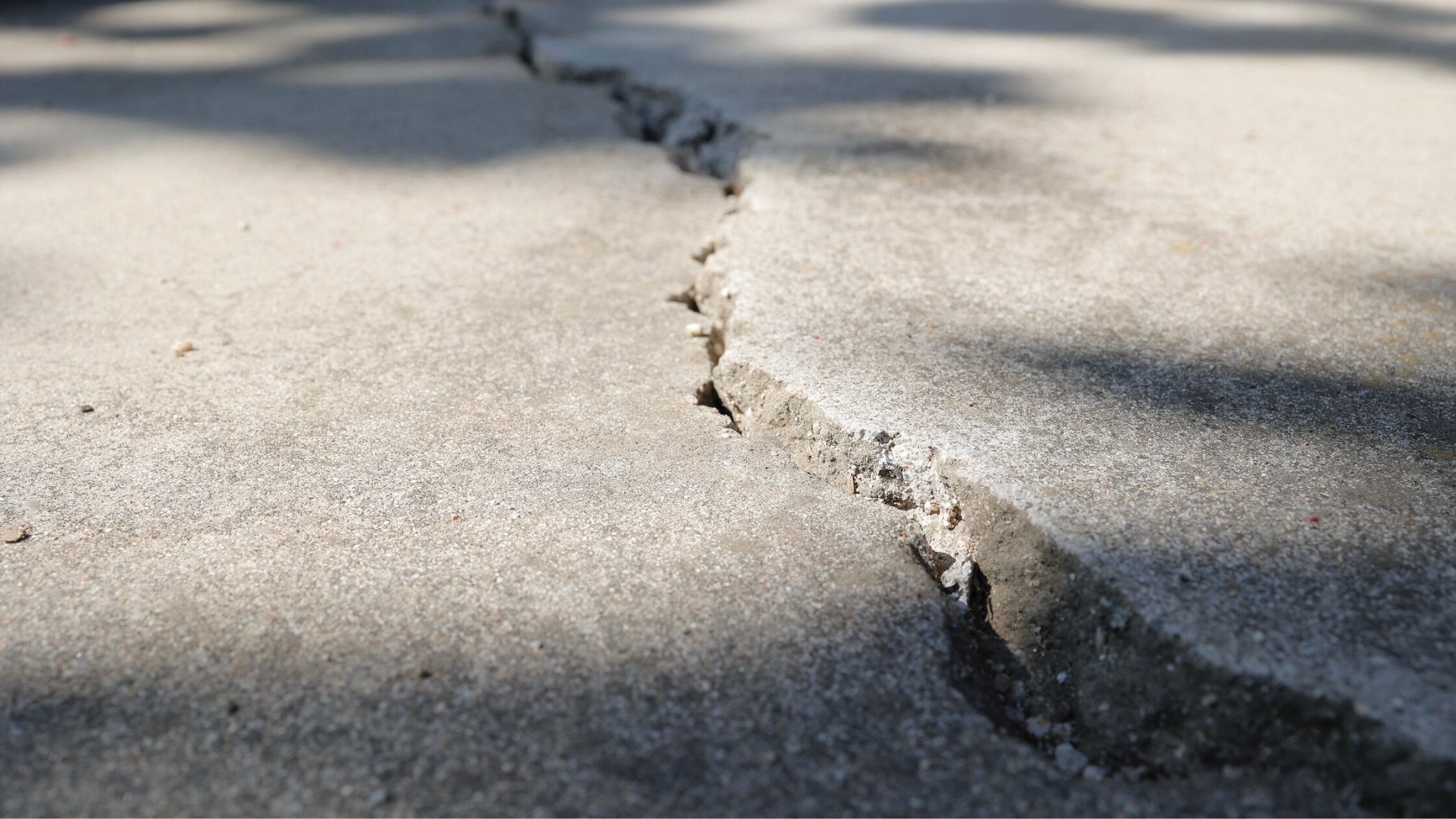
Concrete Cracks Around Your Home: When to Repair Them
Concrete is one of the most common materials used around a home. You may have concrete steps, walkways, patios, landings, porches, garage areas, or other exterior surfaces that help make your property safe and functional.
Over time, concrete can crack, settle, chip, or wear down. Some cracks may seem minor, but others can create safety hazards, drainage issues, or signs of deeper movement. For homeowners in Greater Cincinnati, weather changes, moisture, freeze-thaw cycles, soil movement, and regular use can all contribute to concrete damage.
Here is how to tell when concrete cracks around your home should be repaired.
Quick Answer: When Should Concrete Cracks Be Repaired?
Concrete cracks should be repaired when they are widening, creating uneven surfaces, causing trip hazards, allowing water intrusion, affecting steps or walkways, or appearing near important masonry or structural areas. Cracks that continue to grow or collect water should be inspected before the damage becomes worse.
Why Concrete Cracks
Concrete is strong, but it is not flexible. When the ground beneath it moves, water enters small openings, or pressure builds, cracks can form.
Common causes of concrete cracks include:
- Soil settlement
- Freeze-thaw cycles
- Moisture exposure
- Poor drainage
- Heavy use
- Tree roots
- Age and wear
- Improper installation
- Expansion and contraction from temperature changes
The cause of the crack matters because repairing the surface without addressing the underlying issue may not solve the problem long term.
Hairline Cracks vs. Larger Cracks
Not every concrete crack requires the same level of repair. Small hairline cracks may be mostly cosmetic, while wider or uneven cracks can point to a more serious issue.
Hairline cracks are often:
- Thin
- Shallow
- Mostly cosmetic
- Not causing movement
- Not collecting water
Larger cracks may be more concerning when they are:
- Widening over time
- Deep
- Uneven from one side to the other
- Creating a trip hazard
- Allowing water to enter
- Spreading across steps, walkways, or patios
If you are unsure whether a crack is cosmetic or more serious, it is best to have it evaluated.
Uneven or Settled Concrete
Cracking often happens alongside settlement. When part of a concrete surface sinks or shifts, the slab can become uneven. This is common around walkways, steps, patios, and areas where water affects the soil beneath the surface.
Signs of settled concrete include:
- One side of a crack sitting higher than the other
- Sunken sections
- Sloped or uneven walking areas
- Water pooling in low spots
- Gaps beneath the concrete edge
- Steps that no longer feel level
Uneven concrete should be repaired when it affects safety, drainage, or the usability of the area.
Cracked Concrete Steps
Concrete steps should be stable, even, and safe to use. Cracks in steps can worsen over time because steps experience regular foot traffic and weather exposure.
Concrete step damage may include:
- Cracked stair treads
- Chipped or crumbling edges
- Loose sections
- Uneven risers
- Cracks near railings
- Water collecting on or around the steps
Cracked or deteriorating steps should be addressed before they become a safety concern.
Cracked Walkways and Sidewalk Areas
Walkways around the home are high-use surfaces. When concrete walkways crack, lift, or settle, they can create trip hazards and affect how water drains across the property.
Watch for:
- Raised edges
- Widening cracks
- Uneven slabs
- Crumbling corners
- Water pooling
- Surface deterioration
- Cracks near tree roots
If a walkway is becoming unsafe or difficult to use, it may be time for concrete repair.
Concrete Patio Cracks
Concrete patios are exposed to weather, furniture, foot traffic, and drainage patterns. Cracks may form as the surface ages or as the base below the patio shifts.
Patio cracks should be inspected if you notice:
- Water collecting in the crack
- Cracks spreading across the patio
- Uneven sections
- Crumbling edges
- Gaps near the home
- Settlement near patio steps or walls
Patio cracks can also affect nearby masonry, pavers, retaining walls, or drainage areas if water is not moving properly.
Moisture and Freeze-Thaw Damage
Water is one of the biggest contributors to concrete damage. When water enters cracks and freezes, it expands. This can make cracks wider and cause additional surface deterioration.
Freeze-thaw damage may appear as:
- Widening cracks
- Flaking or scaling surfaces
- Chipped edges
- Crumbling areas
- Pitted concrete
- Sections that break apart over time
For homes in Greater Cincinnati, repeated freeze-thaw cycles can turn small cracks into larger repair needs.
Concrete Cracks Near Masonry Features
Concrete issues can affect more than the concrete itself. If cracked or settled concrete is near brickwork, stone walls, retaining walls, steps, or a foundation area, it may influence drainage or movement around those masonry features.
Pay attention to concrete cracks near:
- Brick porches
- Exterior walls
- Retaining walls
- Stone walls
- Chimneys
- Steps
- Walkways close to the home
These areas should be evaluated carefully because water and movement can create related masonry repair needs.
When Concrete Repair Makes Sense
Concrete repair makes sense when the damage affects safety, drainage, appearance, or long-term performance. Repair may also be recommended when cracks are likely to worsen if left untreated.
You should consider concrete repair if:
- Cracks are widening
- Concrete is uneven
- Steps are cracking or crumbling
- Walkways are creating trip hazards
- Water is pooling
- Concrete is settling
- Cracks are near masonry features
- The surface is deteriorating
A professional can help determine whether repair is appropriate or whether a more extensive replacement may be needed.
Can Cracked Concrete Be Repaired?
Yes. Many concrete cracks and damaged areas can be repaired, depending on the severity and cause of the issue. The right repair depends on whether the concrete is cracked, settled, crumbling, or affected by drainage.
Concrete repair may include:
- Filling or repairing cracks
- Patching damaged areas
- Repairing steps or edges
- Addressing settled sections
- Improving drainage
- Repairing nearby masonry or hardscape features
- Replacing sections when repair is not practical
The goal is to create a safe, functional, and long-lasting repair.
Why You Shouldn’t Ignore Concrete Damage
Small concrete cracks can grow when water, weather, and movement continue to affect the area. What begins as a minor crack can become a trip hazard, drainage issue, or larger repair later.
Ignoring damaged concrete can lead to:
- Larger cracks
- Uneven walking surfaces
- Water problems
- More surface deterioration
- Damage to nearby masonry
- Reduced curb appeal
- Safety concerns
Repairing concrete at the right time can help protect your home and keep exterior areas safer to use.
Concrete Repair Services from HICON
HICON helps homeowners throughout Greater Cincinnati repair cracked, damaged, or deteriorating concrete around their homes. Whether you are dealing with cracked steps, uneven walkways, patio damage, or concrete issues near masonry features, our team can evaluate the problem and recommend the right repair.
Our residential repair services include:
- Concrete repair
- Brick repair
- Tuck-pointing
- Lintel repair
- Chimney repair
- Paver and retaining wall repairs
- Stone wall repairs
HICON focuses on skilled workmanship, practical repair solutions, and long-term performance for homeowners.
Request a Concrete Repair Estimate
If cracked or damaged concrete is affecting your steps, walkway, patio, or exterior surfaces, HICON can help determine the best repair approach.
FAQs About Concrete Repair
When should concrete cracks be repaired?
Concrete cracks should be repaired when they are widening, uneven, deep, collecting water, creating trip hazards, or affecting steps, walkways, patios, or nearby masonry features.
Are hairline concrete cracks serious?
Hairline cracks are often minor, but they should still be monitored. If they widen, collect water, or spread, they may need professional repair.
What causes concrete to crack around a home?
Concrete can crack because of soil movement, moisture, freeze-thaw cycles, poor drainage, age, heavy use, tree roots, or temperature changes.
Can cracked concrete steps be repaired?
Yes. Cracked or damaged concrete steps can often be repaired depending on the severity of the damage. If the steps are unstable or severely deteriorated, a larger repair may be needed.
Is uneven concrete a safety issue?
Yes. Uneven concrete can create trip hazards, especially on walkways, steps, patios, and high-use areas around the home.
Why does water make concrete cracks worse?
Water can enter cracks and expand during freezing temperatures. This can make cracks wider and cause more surface damage over time.
When should I call HICON for concrete repair?
You should call HICON if your concrete is cracked, uneven, crumbling, settling, collecting water, or creating safety concerns around your home.