
Blog
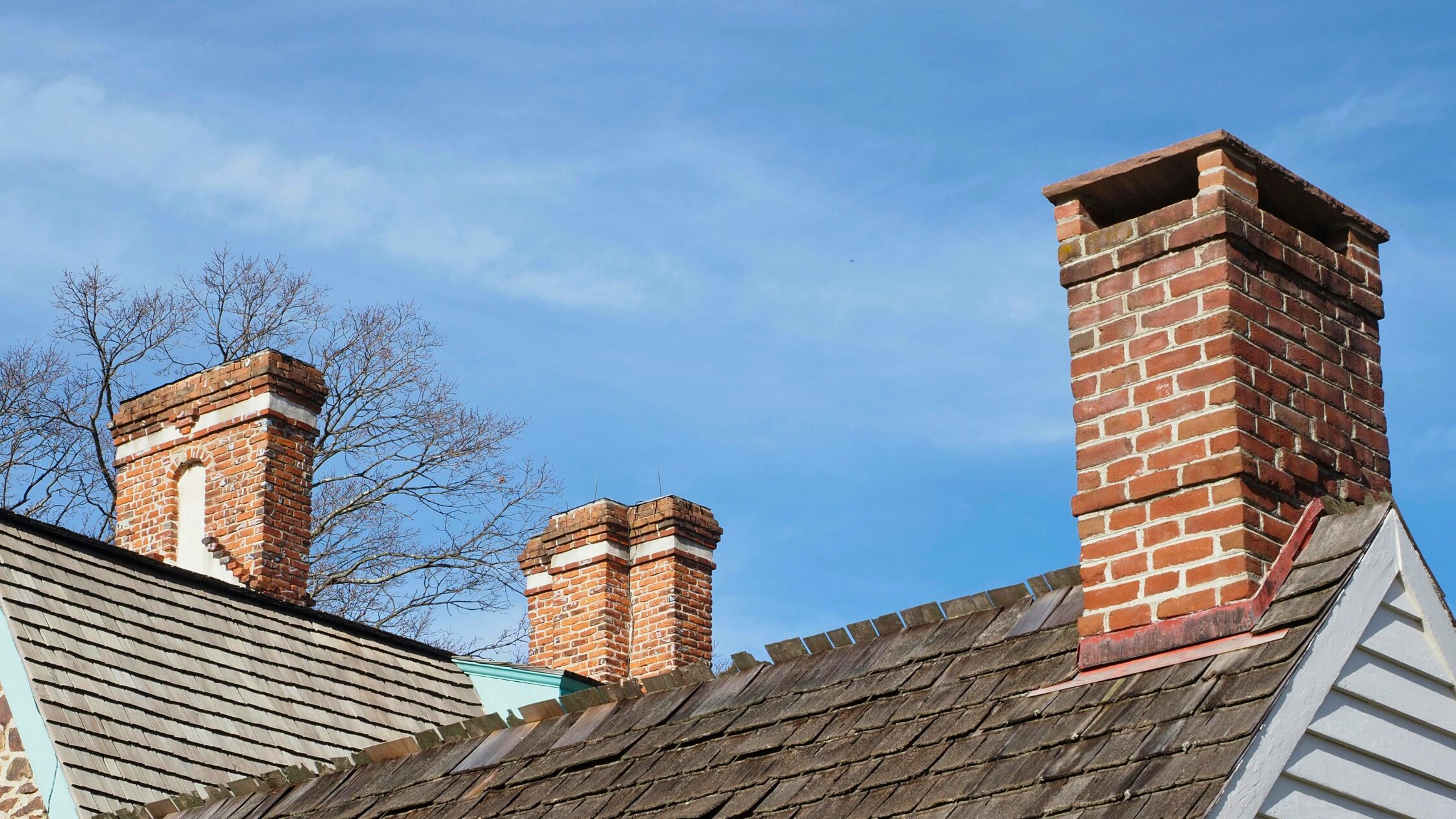
Chimney Damage After Winter: What Homeowners Should Look For
Your chimney is one of the most exposed masonry features on your home. It sits above the roofline, where it takes on rain, snow, ice, wind, temperature swings, and moisture from every direction. After months of harsh weather, even a small chimney issue can become more noticeable.
For homeowners in Greater Cincinnati, winter weather can be especially tough on chimneys. Moisture can enter small cracks or deteriorated mortar joints, freeze, expand, and worsen the damage. If your chimney has cracked brick, crumbling mortar, stains, leaning, or loose masonry, it may be time to schedule a professional chimney repair inspection.
Here are the chimney damage signs homeowners should look for after winter weather.
Quick Answer: How Do You Know If Your Chimney Needs Repair?
Your chimney may need repair if you notice cracked or spalling brick, crumbling mortar, missing mortar joints, leaning, separation from the home, damaged chimney crown or cap, water stains, rust marks, or loose masonry. These signs can point to moisture damage, masonry deterioration, or structural movement.
Why Chimneys Are Vulnerable to Weather Damage
Chimneys are exposed to more weather than many other masonry areas on a home. Unlike brick walls that may have some protection from roof overhangs, chimneys are often fully exposed.
Weather can affect a chimney through:
- Rain and snow
- Ice buildup
- Freeze-thaw cycles
- Wind exposure
- Moisture entering cracks
- Temperature changes
- Aging mortar joints
- Damaged caps or crowns
Once water enters the chimney masonry, it can continue to cause damage unless the issue is repaired.
Cracked Chimney Brick
Cracked brick is one of the most common signs of chimney damage. Cracks may appear on individual bricks or follow the mortar joints between bricks.
Homeowners should look for:
- Horizontal cracks
- Vertical cracks
- Stair-step cracks
- Cracks near the top of the chimney
- Cracks around the chimney crown
- Cracks where the chimney meets the roofline
Cracked brick can allow more moisture into the chimney, which may worsen the damage over time.
Spalling or Flaking Brick
Spalling happens when the face of the brick begins to flake, chip, or break away. This is often caused by moisture entering the brick and expanding during freezing temperatures.
Signs of spalling brick include:
- Pieces of brick breaking off
- Flaking brick surfaces
- Brick faces that look rough or deteriorated
- Brick debris near the chimney or roofline
- Soft or crumbling brick surfaces
Spalling brick should be repaired because damaged bricks can continue to deteriorate and weaken the surrounding masonry.
Deteriorating Mortar Joints
Mortar holds the chimney brick together. When mortar joints crack, crumble, or fall out, the chimney becomes more vulnerable to water intrusion and movement.
Failing chimney mortar may look like:
- Missing mortar between bricks
- Crumbling or sandy mortar
- Deep gaps in the joints
- Cracked mortar lines
- Loose mortar pieces
- Recessed joints
Tuck-pointing may be needed when the chimney bricks are still in good condition but the mortar joints are failing.
Leaning or Separating Chimneys
A chimney should stand straight and remain securely connected to the home. If it appears to be leaning, pulling away, or separating, it should be inspected as soon as possible.
Warning signs include:
- A visible lean
- Gaps between the chimney and the home
- Cracks where the chimney meets the exterior wall
- Separation near the roofline
- Brick movement around the base
- Interior cracks near the chimney area
Leaning or separation may point to structural movement, foundation issues, moisture damage, or masonry deterioration.
Chimney Crown or Cap Damage
The chimney crown and cap help protect the chimney from water. If they are cracked, missing, or damaged, water can enter the chimney system more easily.
Look for:
- Cracks in the chimney crown
- Missing or damaged chimney cap
- Rust on metal components
- Water stains below the crown
- Deterioration near the top courses of brick
- Loose materials near the chimney top
Because crown and cap issues are often difficult to see from the ground, a professional inspection may be needed.
Water Stains Near the Chimney
Water stains can be a sign that moisture is entering or moving through the chimney system. Stains may appear on the exterior brick, near the roofline, or inside the home near the chimney.
Possible moisture signs include:
- Dark stains on brick
- White staining or efflorescence
- Interior ceiling stains near the chimney
- Damp smells near a fireplace
- Water marks around the chimney base
- Rust stains on nearby metal
Water-related chimney damage should be addressed early because moisture can continue to spread through the masonry.
Loose or Missing Chimney Brick
Loose or missing brick is a serious warning sign. It can mean the mortar has deteriorated, the brick has weakened, or the chimney is experiencing movement.
Loose chimney brick may be caused by:
- Mortar failure
- Freeze-thaw damage
- Moisture intrusion
- Age
- Previous improper repairs
- Structural stress
Loose brick can create safety concerns and should be repaired by a professional masonry contractor.
Why Chimney Repairs Shouldn’t Wait
Chimney damage often gets worse when it is ignored. Because chimneys are exposed to weather from all sides, water can continue to enter cracks, gaps, and damaged mortar joints.
Delaying chimney repair can lead to:
- More brick damage
- Larger mortar repair areas
- Water intrusion
- Interior moisture damage
- Loose masonry
- Structural concerns
- More expensive repairs later
Early chimney repair can help protect the masonry and reduce the risk of more extensive damage.
Can Chimney Masonry Be Repaired?
Yes. Many chimney masonry issues can be repaired, especially when they are caught early. The right repair depends on the type and extent of the damage.
Chimney repair may include:
- Replacing damaged brick
- Tuck-pointing deteriorated mortar
- Repairing cracks
- Addressing crown or cap issues
- Repairing moisture-damaged areas
- Stabilizing loose masonry
- Restoring damaged sections of the chimney
A professional inspection can determine whether the chimney needs targeted masonry repair, tuck-pointing, or more extensive restoration.
When Should You Schedule Chimney Repair?
You should schedule chimney repair if you notice visible cracking, spalling brick, crumbling mortar, leaning, separation, water stains, loose brick, or damage near the chimney crown or cap. Even small issues should be inspected before they worsen through rain, temperature changes, or continued moisture exposure.
Chimney Repair Services from HICON
HICON helps homeowners throughout Greater Cincinnati repair and restore damaged chimney masonry. If your chimney has cracked brick, failing mortar, loose masonry, water damage, or signs of movement, our team can inspect the issue and recommend the right repair.
Our residential repair services include:
- Chimney repair
- Brick repair
- Tuck-pointing
- Lintel repair
- Stone wall repair
- Concrete repair
- Paver and retaining wall repairs
HICON focuses on skilled workmanship, practical repair solutions, and long-term performance for homeowners.
Request a Chimney Repair Estimate
If your chimney shows signs of cracking, mortar damage, loose brick, water stains, or movement, HICON can help determine the right repair.
FAQs About Chimney Repair
How do I know if my chimney needs repair?
Your chimney may need repair if you notice cracked brick, spalling brick, crumbling mortar, missing mortar, water stains, leaning, separation, loose masonry, or damage near the chimney crown or cap.
What causes chimney brick to crack?
Chimney brick can crack because of moisture intrusion, freeze-thaw cycles, aging mortar, weather exposure, structural movement, or previous repairs that did not address the source of the problem.
What is spalling brick on a chimney?
Spalling brick occurs when the surface of the brick flakes, chips, or breaks away. It is often caused by moisture entering the brick and expanding during freezing temperatures.
Does crumbling chimney mortar need to be repaired?
Yes. Crumbling chimney mortar should be repaired because it can allow water into the chimney masonry. Tuck-pointing may be needed to restore the mortar joints.
Is a leaning chimney dangerous?
A leaning chimney can be a serious concern because it may indicate structural movement or masonry failure. It should be inspected by a professional as soon as possible.
Can chimney damage cause water problems inside the home?
Yes. Chimney damage can allow moisture to enter the masonry system and may contribute to interior water stains, damp smells, or moisture near the fireplace or ceiling.
When should I call HICON for chimney repair? You should call HICON if your chimney has cracked brick, deteriorated mortar, water stains, spalling, loose brick, leaning, separation, or visible damage near the crown or cap.