
Blog
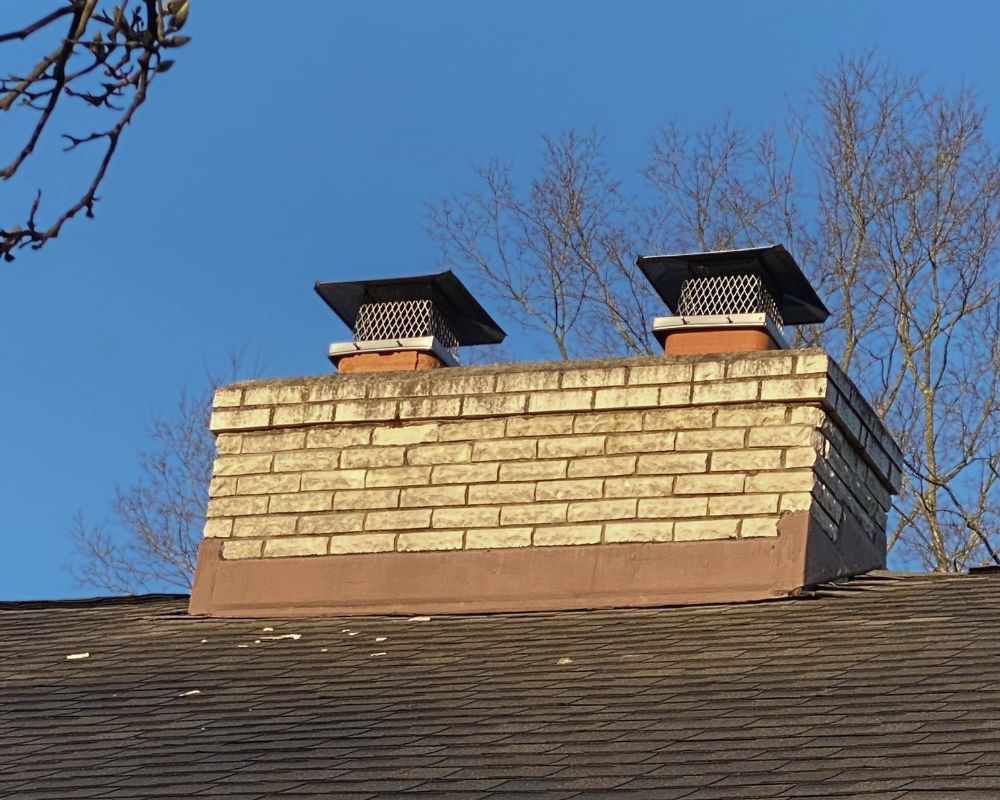
Why Winter Is the Best Time to Repair Your Chimney & Masonry Walls
Winter might not seem like the ideal season for home improvements—but for your chimney and masonry walls, it’s actually one of the most important times to act. Cold temperatures, moisture, and freeze-thaw cycles can turn small issues into major, costly repairs.
Freeze-Thaw Cycles Can Make Minor Damage Much Worse
When moisture seeps into cracks or deteriorating mortar, it freezes and expands. That expansion pushes bricks outward, widens gaps, and breaks down mortar joints. Over time, this cycle can lead to:
Loose or shifting bricks
When bricks move out of place due to expanding ice or moisture, they lose their structural hold. What starts as a slight shift can quickly compromise the stability and safety of the wall or chimney.
Crumbling mortar
Mortar joints break down as freeze-thaw cycles push them apart. Once mortar begins to crumble, it can no longer support the surrounding brickwork, allowing water to penetrate deeper into the structure.
Structural weakening
Over time, repeated movement and moisture intrusion reduce the overall strength of the wall or chimney. This can lead to sagging, bowing, or unseen internal damage that becomes costly to repair if ignored.
Large sections of masonry separating from the home
Severe freeze-thaw damage can cause entire sections of brick or stone to pull away from the house. This not only poses a safety concern but also exposes the home to water intrusion, drafts, and further deterioration.
Chimneys and exterior walls take the brunt of winter exposure, so catching issues early prevents more extensive (and more expensive) future damage.
Chimneys Are Under the Most Stress During Winter
If you’re using your fireplace more often in the colder months, your chimney experiences extreme temperature changes—heat inside, freezing temps outside. Add in soot buildup or moisture intrusion, and even small cracks can become serious risks.
Winter chimney issues can cause:
· Smoke leaking into the home
· Fire hazards
· Water damage around the chimney
· Drafting problems or poor efficiency
Scheduling repairs now ensures your chimney is safe, sealed, and performing the way it should.
Interior Masonry & Foundation Repairs Can Be Done Anytime
Not all masonry work depends on warm weather. In fact, many interior projects—such as tuckpointing, reinforcing foundation walls, and other basement masonry repairs—can be successfully completed throughout the winter without delays from cold or wet conditions. Winter is actually one of the most efficient times to schedule interior masonry work. It allows homeowners to address issues while exterior projects are on hold, take care of needed repairs before spring construction ramps up, and avoid the inevitable scheduling backlog that comes with the busy season.
Avoid the Spring Backlog
Once the weather breaks, demand for masonry, concrete, and exterior repair services spikes. Lead times get longer, scheduling becomes tighter, and prices can increase during peak season.
Handling repairs now puts you ahead of that rush.
Stop Water Intrusion Before Spring Thaw
Melting snow, ice, and early spring rains can quickly exploit weak mortar joints, cracked bricks, or failing chimney crowns. Winter repairs create a protective barrier before that moisture has a chance to get in.
A small repair now can prevent major water damage later.
Protect Your Home Before Winter Damage Gets Worse
Winter is the perfect time to address chimney and masonry issues—before freeze-thaw cycles escalate them into costly structural damage.
Ready to inspect or repair your chimney or masonry walls?
HICON’s experienced masonry team can evaluate the issue, recommend the right repair, and protect your home all winter long.
Contact HICON today to schedule your winter masonry inspection.
Whether you’re noticing cracks in your chimney or signs of crumbling mortar on your walls, winter is the time to act. HICON’s expert masonry team can assess the damage and make long-lasting repairs—without the wait.
Book your winter masonry inspection today and protect your home before the real freeze hits.