
Blog
Using Your Fireplace This Winter? Read This First
If you want your fire to stay delightful during the frightful weather Ohio is expecting this season, now might be a good time to check your chimney!
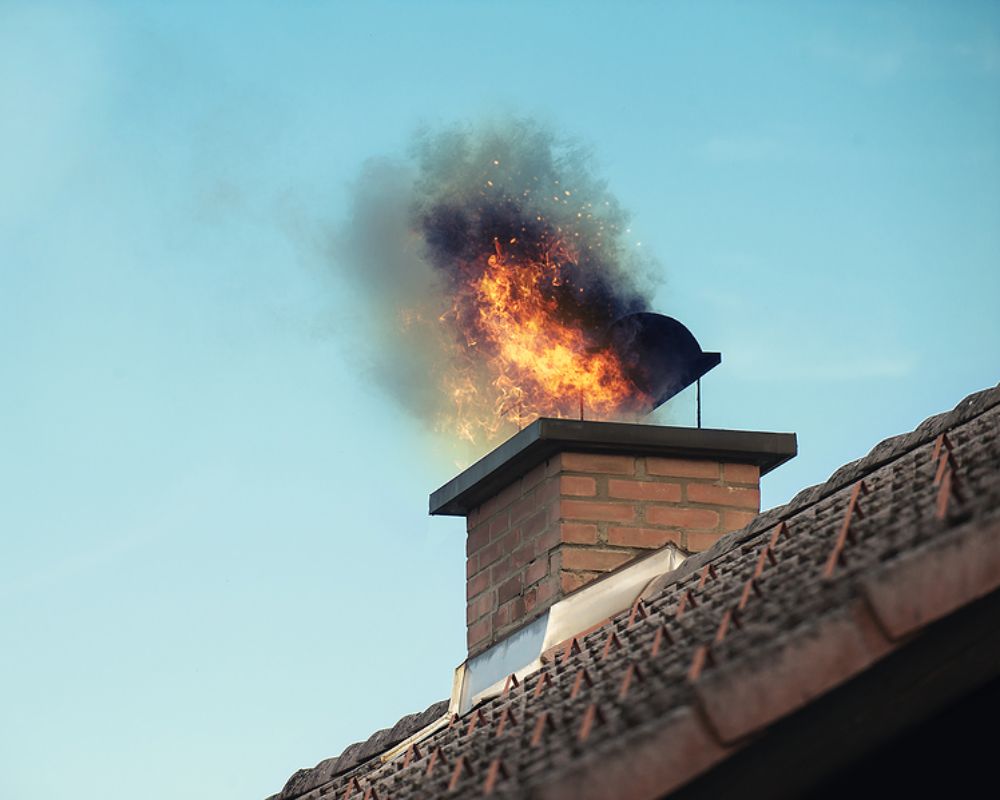
We all want to spend our winters in front of a crackling fireplace as the snow falls down around us. Every season, there are an alarming number of fires due to damaged, improperly cleaned chimneys. Roughly 6% of all home fires involve chimneys, which may not seem like a significant number until you start thinking about how long it’s been since you last had your chimney inspected. There is a surge of about 60% during the winter months when fireplaces are in high use, contributing to loss of property, injury, and loss of life.
These numbers aren’t meant to frighten you. But to help make you aware that prevention and maintenance go hand in hand. Hicon takes your lives and your home seriously. So before the snow starts falling, let’s take a look at what you can do to keep your family safe this season.
What Happens During A Yearly Inspection
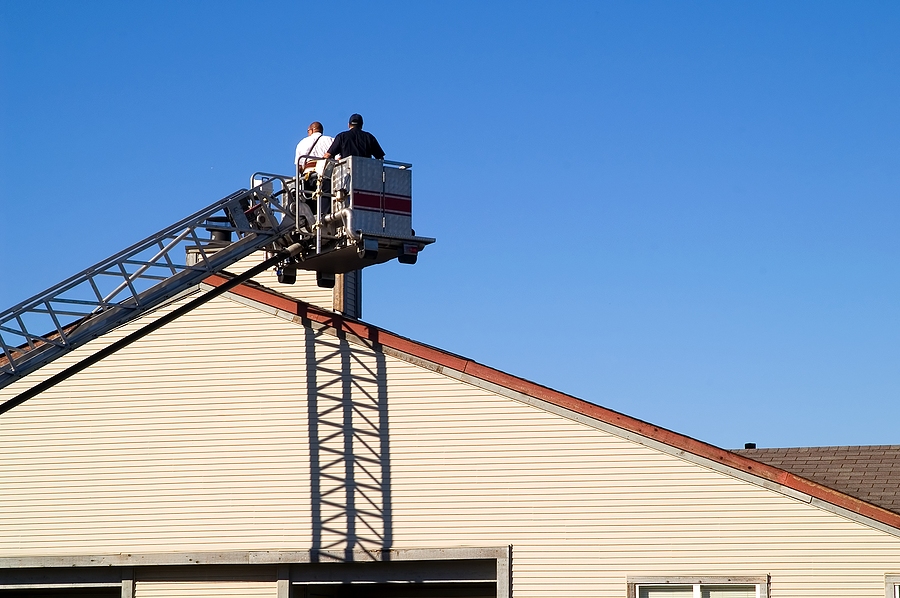
The number one thing you can do to better ensure a safe environment is to have your chimney inspected and cleaned out at least once a year. A certified chimney sweep (yes, we still have them) comes to your home to inspect your fireplace and chimney to ensure it is fit for safe use. Chimney damage can go beyond the disaster of a fire hazard, and having a professional assess the structural integrity can save you so many problems.
A basic inspection ensures that the chimney and all attached components are properly attached, functioning correctly, and look for any changes or any issues that may compromise further use. The chimney sweep will give a full interior and exterior inspection, meaning they will need access to your home and roof.
A more thorough inspection will delve into the joints and surfaces, along with a detailed camera inspection of the flue. This is also strongly suggested whenever you buy/sell a home that has a chimney unit. They will also check compatibility and coding, such as ensuring that your chimney exhaust is a safe distance from your rooftop.
A higher level of inspection is performed when structural damage is suspected. This usually happens when you know your chimney will need repairs or a full replacement, so expect it to be invasive. At this point, a structural engineer will get involved to make sure the job will not have a negative impact on the rest of the structure, i.e., your home.
Keeping Your Chimney Clean
The better you keep your chimney, the less likely it is that you will have expensive repairs or dangerous incidents in your home. Luckily there are a few things you can do as a homeowner that will help mitigate the worries.
Install a Chimney Cap: A chimney cap sits on top of the flue exit to help prevent debris and animals out of your chimney. It is very common for birds, rodents, and other animals to form nests in unused chimneys, so this is a great way to help prevent their intrusion.
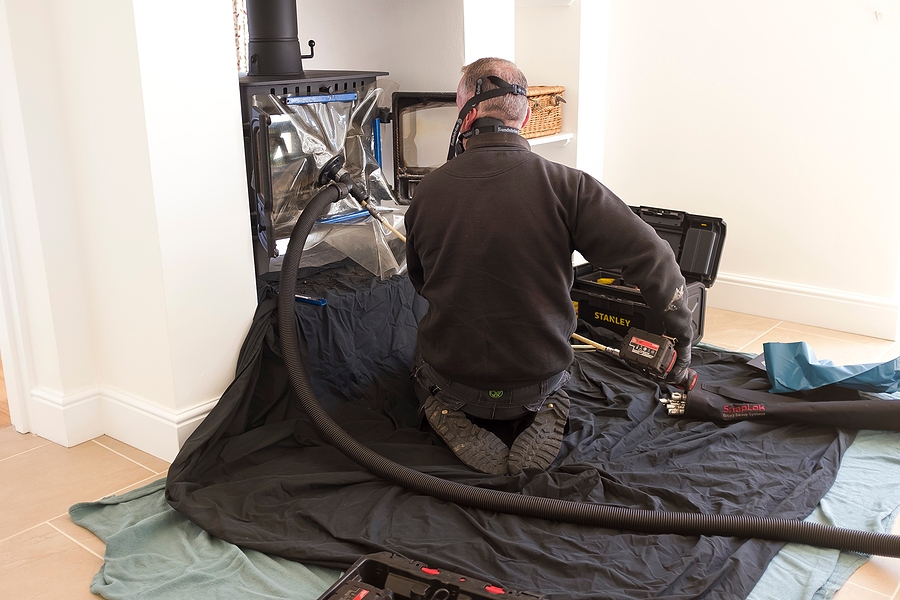
Clean the Ashes Regularly: A CSIA-certified chimney sweep will use special equipment to do a comprehensive clean of your fireplace. This not only removes the ashes, but the soot and creosote that can linger from a casual cleaning.
Use the Right Type of Wood: Burning green wood can lead to an increase in creosote, a tar-like byproduct of slow-burning wood, which can increase the chances of a fire-related incident. Seasoned wood has been dried for an extended period, up to 12 months, to reduce the moisture content of the material. Because of this, it is much more controlled and less risky.
Remove Overhanging Tree Limbs: Falling debris is the enemy of the homeowner. Keeping tree limbs away from your chimney helps prevent damage from severe weather and collision, along with debris getting into your flue.
Air Flow and Smoldering: You don’t want smoke pouring into your living room. You also don’t want a fire that keeps going out. Ensuring the correct air flow for your chimney flue does more than just give smoke an exit path. It helps keep your fire healthy and well-controlled. Using softwoods such as pine, cedar, and spruce will produce a clean-burning fire that is less likely to smolder.
Signs Your Chimney is in Danger
Taking good care of your chimney helps ensure your safety, but it’s okay if you find yourself on the sooty end of the stick! Many people just don’t have a good understanding of chimney care and make mistakes. Our job at Hicon is to help make it right.
Water Stains: If you notice water stains on the inside of the flue, an unpleasant musty scent, or a gelatinous mixture of rust, debris, soot, and gunk in your firebox, you have a problem. A securely structured fireplace won’t be at risk for moisture damage.
Smoke Billowing: If you light a fire and the smoke comes billowing into your home instead of up the flue, your chimney isn’t properly drafting. It can be an easy issue, like an animal nest. Or it could be the result of structural damage. Either way, your flue is blocked, and this allows carbon monoxide to back up into your home, and needs to be dealt with right away.
Brick and Masonry Debris: If you spot dried, crumbling mortar all over your shingles or spy an ever-widening crack between the bricks, your chimney is in trouble. Keep an eye out for spalling, when the surface of the brick chips away. This is also a big issue with the flue, where chipping and cracking debris means the lining is breaking down. This is another potential carbon monoxide hazard and should be addressed immediately.
Corrosion and Rust: Along with moisture, keep an eye out for rust along the metal parts of your fireplace and chimney. This means that moisture has gotten in, causing corrosion and damage to your fireplace components. This may seem like a small issue, but it can drastically affect the safety and function of your fireplace and needs to be checked out.
Efflorescence: Efflorescence is what happens when moisture soaks into the masonry work and dries, leaving behind mineral deposits that can weaken the overall structure over time. If you’re seeing this, it means you need better waterproofing and a good inspection of your chimney.
Tilted Chimney: If your chimney looks like it came out of a Dr. Seuss book, then it needs to be repaired or replaced. This is often the fault of loose concrete footing or no concrete footing, making the weight of the brickwork lean over time. Shifting soil from excess moisture or poor drainage can also be the cause.
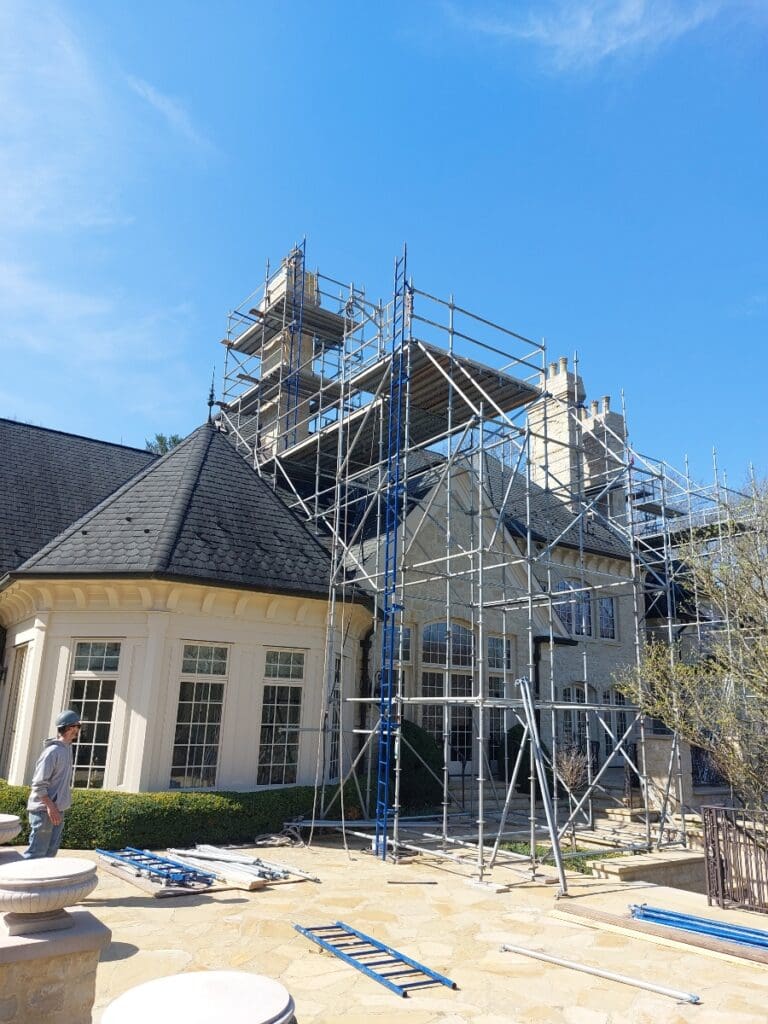
If you’re looking to keep your winter season comfy, now if the time to get in contact with us for a chimney inspection. Hicon has a long track record of repair and replacement on damaged chimneys, which you can see for yourself in our Before & After gallery. Residential, commercial, or historical preservation, we’re ready to keep your property safe.