
Blog
How Freeze-Thaw Cycles Damage Brick — and What to Do Now
Ohio is known for its unusual winters. Freezing temperatures suddenly rising into the mid-50s. A relatively mild week can turn the corner, and next thing you know, the world is covered in ice. According to regional forecasts, 2025 is shaping up to be the coldest, wettest winter in some time, with temperatures ranging between the high 40s and lower 20s, with the freezing point right between them.
This can spell havoc for your brickwork.
What is The Freeze-Thaw Cycle?
When water comes into contact with surfaces, it can seep into the deeper layers through any kind of porous material. If the temperature drops, the water then freezes, increasing in size by 9%. This sudden expansion then expands other pores, cracks, and minor imperfections in the materials. When this happens again and again over the course of a season, the pressure compounds, and the damage becomes more extensive each time. To make matters worse, you won’t likely see the problem until spring when the ice melts and you have a chance to survey your property.
What Does Freeze-Thaw Damage Do?
Freeze damage can be caused by excess water sitting on surfaces where it has the opportunity to seep into the cracks or when water has already found a way in.
Internal Cracking: Internal cracking occurs once water has already accumulated within the materials, stagnating in the cracks and fissures until it freezes and expands, widening the internal spaces and compromising the integrity of the materials. This can be troubling because you often won’t even know there is a problem until it becomes bad enough that the damage is visible on the surface.
Surface Spilling: Surface Spilling is more than just splashing your bricks with water. This occurs when the moisture has a chance to accumulate and remain on the materials for an extended period, such as with melting snow or pooling water. If left long enough, it can erode the surface layer of your brickwork, exposing the underlying structure and causing further deterioration.
What Kind of Damage Should I Look For?
You may be surprised to realize just how much damage this cycle can cause. You may even want to take a quick look at your structures just to be sure you aren’t already facing a problem. In that case, it’s best to know what you are looking for. Spalling: when pressure from the expanding/contracting water causes chipping and flaking to the surface of your bricks.
Cracking: when the expansion of water causes widening cracks in the bricks, allowing more water to accumulate, thus increasing the damage.
Weak Mortar Joint: deteriorating mortar due to the expansion/contraction of water, causing the structure to destabilize.
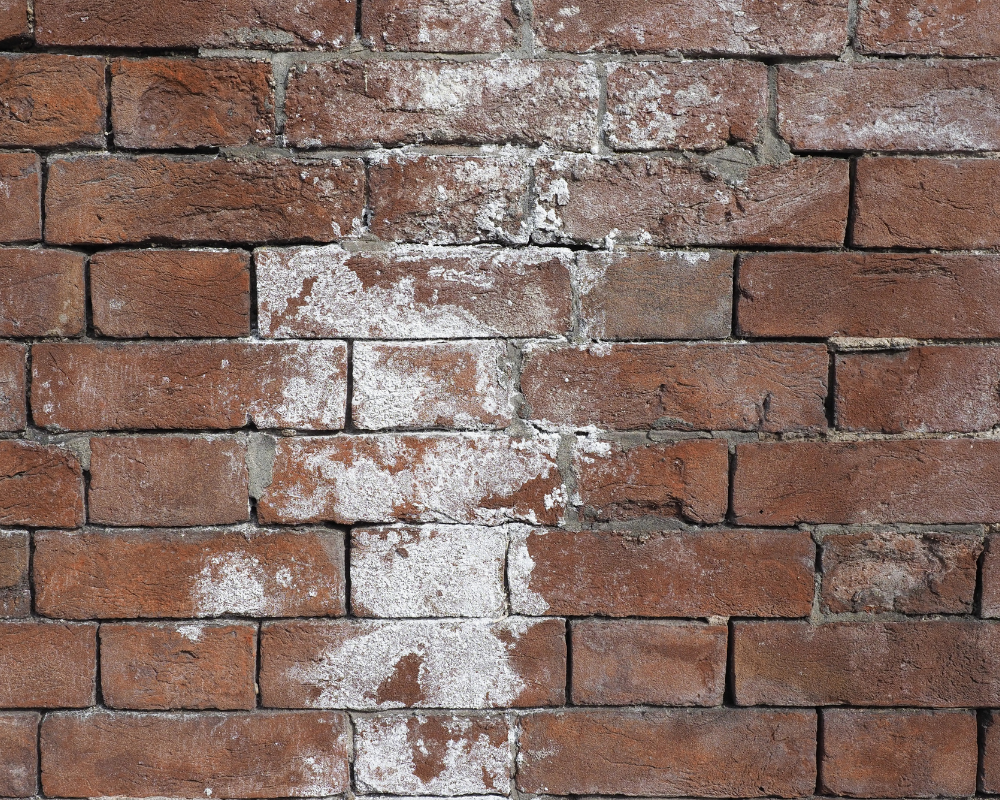
Efflorescence: Efflorescence is what happens when water with too much salt evaporates, leaving the salt behind. It is one of the signs that your bricks have too much moisture.
Prevention and Damage Control
When it comes to dealing with the freeze-thaw problem, vigilance and proactivity are the name of the game. Can it be annoying? Yes. Absolutely. Will it go a long way towards protecting your property and keeping your budget safe from massive repairs down the road? Also, a resounding yes.
Pick the Right Bricks: Using high-density, water-resistant bricks is a good first step towards a better-protected brick structure. Grade SW, or severe weathering, brick is high-density, making it more difficult for water to penetrate into the materials. Grade MW (mild weathering) allows for some dampness but still prevents deeper internal seepage.
Seal the Bricks: Colorless coatings for masonry work do exist, allowing for a protective layer across your brickwork. This silane siloxane coating is a water repellent barrier made mostly from silicone that helps protect the integrity of your masonry.
Maintain the Mortar: Removing and repointing damaged and flaking mortar is another way to help prevent seeping. Rake or chisel out the old, crumbling mortar and replace it with fresh to help keep moisture out of the deeper layers and crevasses.
Improve Drainage: Make sure water flows away from your structure by installing quality gutters and grading the ground (landscaping). This is most often done by creating a slope or leveling that helps water drain away from foundations and construction.
Fix Damage Early: As always, small cracks and chips are much easier to fix than major damage. When you see the issue developing, go ahead and take care of it as soon as possible. Even if the problem ends up being more of a project than you thought, it won’t get any better by ignoring things. Even if all you can do is prevent further damage, you’re still saving yourself money and trouble in the long run.
Our restoration team is noted for its dedication to craftsmanship and detail in residential and commercial properties all throughout Ohio. At Hicon, we are used to dealing with the region’s unusual shifts in temperature and weather conditions, making us reliable even in an emergency. For many of our people, it’s about more than just doing the job, but about looking out for our neighborhood and community. Take a look at our Projects Gallery to see for yourself.