
Blog
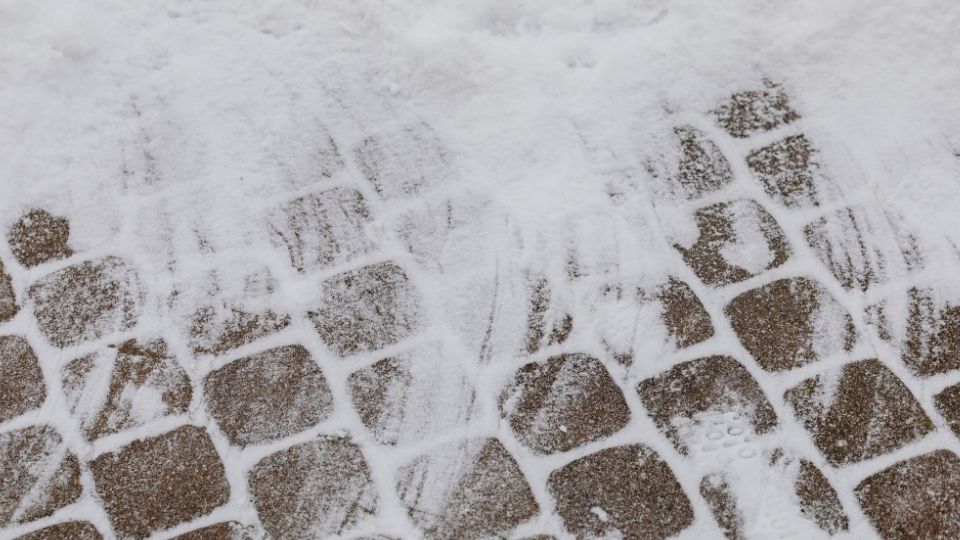
What Freeze-Thaw Cycles Do to Your Brick, Stone, and Pavers
If you’ve ever noticed new cracks in your brick, shifting pavers on your patio, or crumbling mortar after winter, you’ve likely seen freeze-thaw damage at work. This type of damage doesn’t happen all at once. It builds quietly, season after season, as moisture and cold weather interact with masonry materials.
Understanding how freeze-thaw cycles affect brick, stone, and concrete helps homeowners spot early warning signs and address issues before they grow into major repairs.
How Freeze-Thaw Damage Starts
Masonry materials like brick, mortar, stone, and concrete are porous. That means they naturally absorb small amounts of water from rain, snow, and ground moisture.
When temperatures drop below freezing, that trapped water expands. As it thaws, the material contracts again. This repeated expansion and contraction puts stress on masonry surfaces and joints.
One freeze isn’t usually the problem. It’s the constant cycling — freeze, thaw, freeze again — that slowly weakens the material.
Why Damage Builds Over Time
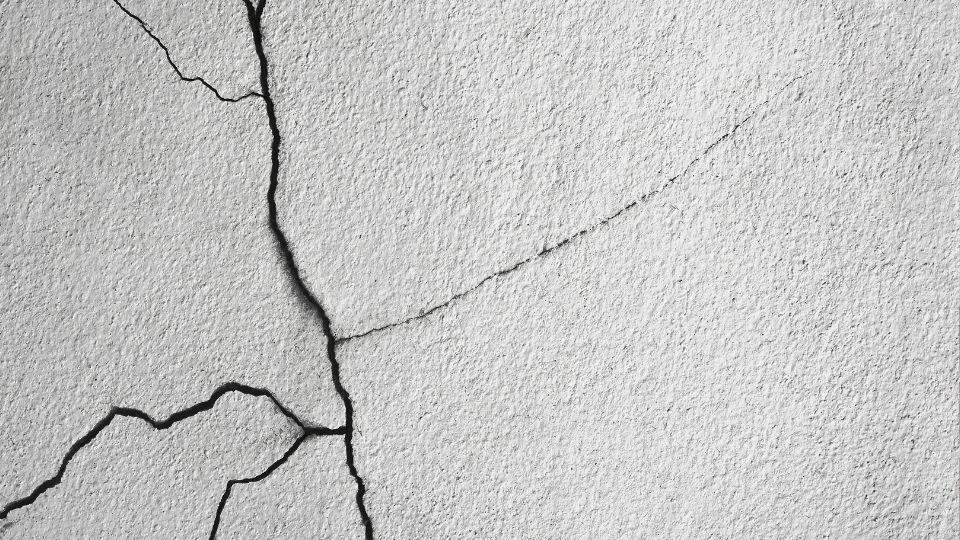
Freeze-thaw damage is cumulative. Each cycle creates microscopic fractures that allow more water to enter the material the next time it rains or snows. Over multiple winters, those tiny cracks grow larger.
What starts as hairline cracking can eventually lead to spalling brick faces, loose pavers, deteriorating mortar joints, or leaning masonry structures.
Common Signs of Freeze-Thaw Damage Around the Home
Homeowners often notice symptoms in early spring, but the damage usually begins months earlier. Common signs include:
• Cracked or flaking brick surfaces
• Mortar joints that look powdery or recessed
• Pavers that shift, sink, or become uneven
• Chimneys showing cracks or loose bricks
• Stone steps or retaining walls starting to lean
These signs don’t always appear dramatic at first, which is why they’re easy to dismiss.
Why Winter Damage Often Goes Unnoticed Until Spring
During winter, masonry damage is often hidden by snow, ice, or frozen ground. Materials may look intact even while stress is building beneath the surface.
As temperatures warm and moisture levels rise in spring, weakened areas begin to show visible cracking, movement, or surface breakdown. By that point, the damage has already progressed.
How Water Makes the Problem Worse
Water is the driving force behind freeze-thaw damage. Poor drainage, clogged gutters, or ground grading that directs water toward masonry surfaces increases exposure.
Areas like chimneys, retaining walls, patios, and steps are especially vulnerable because they’re constantly exposed to moisture and temperature swings.
Why Small Cracks Shouldn’t Be Ignored
Small cracks don’t stay small. Each freeze-thaw cycle allows more water to penetrate deeper into the structure, accelerating deterioration.
Early repair — such as repointing mortar joints or stabilizing pavers — can slow or stop this progression and help preserve the original masonry.
The Value of Early Masonry Assessment
Because freeze-thaw damage develops gradually, early assessment makes a big difference. Identifying weakened mortar, water entry points, or subtle movement allows repairs to focus on restoration rather than replacement.
Hicon specializes in diagnosing masonry issues tied to freeze-thaw cycles and restoring brick, stone, and hardscapes before damage spreads further.
Winter Damage Starts Now, Even If You See It Later
Freeze-thaw damage doesn’t wait for spring to begin. It starts during cold weather, even when it’s out of sight.
Being aware of how winter affects masonry helps homeowners understand why changes appear later — and why timely attention can protect both the structure and its appearance.
Protecting Masonry for the Long Term
Brick, stone, and pavers are durable materials, but they’re not immune to weather. Understanding freeze-thaw damage gives homeowners the knowledge to recognize early warning signs and take action before repairs become extensive.
If you’ve noticed cracks, shifting, or deterioration in your masonry, Hicon can help assess freeze-thaw damage and recommend restoration options that protect your home long-term.